

It’s no secret that architecture is about more than just designing aesthetically pleasing buildings — it’s about creating spaces that work smarter, not harder. And no one is doing this better than Singapore’s architecture firms. They’ve mastered the art of blending cutting-edge technology with bold design to create buildings that don’t just look cool but function in ways you’ve never imagined.
From automated climate control to energy-efficient systems, the future of architecture in Singapore is here, and it’s smarter than ever. In this post, we’re diving into how Singapore’s architecture firms are leading the charge in the smart building revolution.
The Smart Building Boom: A New Era for Architecture
Before we get into the nitty-gritty, let’s quickly define what a “smart building” actually is. Simply put, a smart building integrates technology into its design to enhance efficiency, sustainability, and the comfort of those who use it. Think IoT (Internet of Things) systems, AI-powered automation, sensors that optimize energy use, and more. It’s all about creating buildings that are as intuitive as they are stylish.
In Singapore, these innovations aren’t just a trend — they’re the future. The government’s Smart Nation initiative is pushing for a seamless integration of technology into urban living, and Singapore’s architecture firms are jumping in headfirst. Whether it’s using artificial intelligence to optimize energy use or installing sensors to monitor the building’s health, architecture firms in Singapore are at the forefront of this technological revolution.
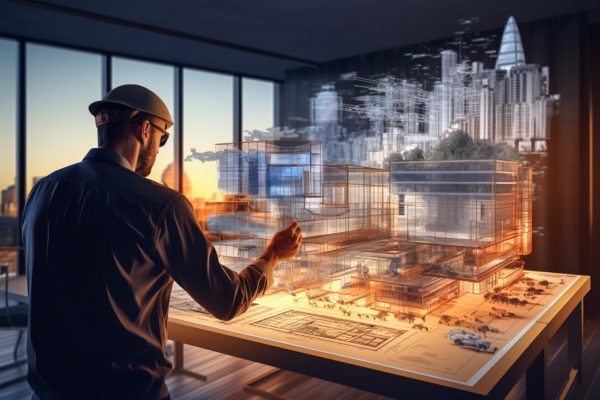
How Singapore’s Architecture Firms Are Bringing Technology Into Every Corner of Their Designs
1. Sustainability Meets Innovation
Let’s be honest: the world is in crisis. Climate change is real, and we need to start making better decisions when it comes to energy consumption. Singapore’s architecture firms have taken up the challenge, and they’re doing it in style. These firms are not just designing buildings with sustainable materials; they’re integrating smart technologies that help reduce energy use, water waste, and carbon footprints.
For example, let’s talk about the Punggol Waterway Terraces. This iconic residential complex uses smart irrigation systems that adjust based on real-time weather data. Not only does this reduce water waste, but it ensures the plants thrive in the urban landscape. And that’s just one example. Other buildings in Singapore are utilizing smart technologies like solar panels, energy-efficient lighting, and water recycling systems, which are helping to pave the way for a greener future.
In addition to this, many architecture firms are embracing “green” certifications like the BCA Green Mark, which encourages the use of environmentally-friendly technology. These firms aren’t just ticking a box; they’re crafting buildings that work in harmony with the environment while still delivering cutting-edge design.
2. The Internet of Things: Making Buildings Smarter
If you’re not familiar with the Internet of Things (IoT), let me break it down for you: IoT refers to the concept of connecting everyday objects to the internet. This allows them to send and receive data, making them smarter and more efficient. Think of your smart thermostat that learns your temperature preferences or the smart fridge that alerts you when you’re low on milk. Now, imagine taking that concept and applying it to an entire building.
Architecture firms in Singapore are doing just that. From smart lighting systems that adjust based on occupancy to temperature control systems that optimize energy use, IoT is at the heart of modern design. One standout example is One North, an innovative business district featuring smart office buildings that use IoT sensors to track everything from air quality to occupancy levels. These systems help the building “learn” how to optimize itself, ensuring that energy is never wasted, and the comfort of occupants is always prioritized.
What’s more, the data generated by these systems isn’t just stored for fun — it’s used to improve the building’s performance in real time. This means that every aspect of the building, from lighting to climate control, is constantly being fine-tuned to create the most efficient and comfortable environment possible.
3. Artificial Intelligence: The Future of Building Design
When you think about artificial intelligence (AI), you probably imagine self-driving cars or virtual assistants like Siri. But guess what? AI is also revolutionizing the way architecture firms design buildings.
AI-powered systems can now analyze massive amounts of data to optimize building performance, design, and layout. For instance, these systems can predict how the building will perform in different weather conditions, how light will move throughout the day, or even how people will move through the space. This allows architects to design more efficient and functional buildings that meet the specific needs of the occupants.
Singapore’s architecture firms are already using AI to predict energy consumption patterns and make real-time adjustments. Some firms are even experimenting with AI-powered design tools that help architects create more innovative, efficient, and sustainable buildings. Think of it as having a virtual assistant for your building that’s always learning and adapting.
4. Big Data and Predictive Analytics: The Future of Maintenance
Now, let’s talk about how technology is making buildings not just smarter but more durable. One of the most exciting developments in smart building technology is the use of big data and predictive analytics for maintenance.
By using sensors and IoT devices, architecture firms in Singapore are collecting a massive amount of data on how a building is performing. This data can be analyzed to predict when maintenance is needed, whether it’s for HVAC systems, elevators, or even the building’s structural integrity.
For example, imagine a building where the HVAC system can self-diagnose an issue before it becomes a problem. Or better yet, the system can alert maintenance teams to repair a fault before it affects the building’s residents. This predictive maintenance is saving both time and money by preventing costly repairs and ensuring that the building is always functioning at its best.
The Impact of Smart Technology on Singapore’s Architectural Identity
Singapore’s architecture is known for being futuristic, bold, and innovative. But now, it’s also becoming synonymous with sustainability and intelligence. As architecture firms in Singapore continue to embrace technology, the city is rapidly transforming into a model of modern urban living.
And this isn’t just good news for Singapore. The world is watching. The city-state has become a testing ground for smart building technologies, with architecture firms from around the globe looking to Singapore for inspiration. As more firms integrate smart technologies into their designs, the potential for a smarter, more sustainable world becomes more and more attainable.
If you thought smart buildings were cool now, just wait. The future is incredibly exciting. As technology continues to evolve, architecture firms in Singapore will only continue to push the envelope. From AI-powered buildings that adapt in real-time to augmented reality (AR) tools that allow architects to visualize their designs before construction even begins, the future of architecture is here.
And let’s not forget about the integration of robotics. Imagine robots helping with construction, maintaining buildings, or even assisting with energy optimization. While it may sound like something out of a sci-fi movie, the truth is that these technologies are already being tested in Singapore’s cutting-edge buildings.
Conclusion: The Smart Building Revolution Is Just Beginning
In conclusion, Singapore’s architecture firms are embracing technology in ways that are reshaping the way we think about buildings. From IoT and AI to sustainable design and predictive maintenance, these firms are leading the charge in creating smarter, more efficient, and more sustainable buildings. And as Singapore continues to push the boundaries of what’s possible in architecture, other cities around the world will undoubtedly follow suit.
So the next time you walk past a sleek, shiny building in Singapore, take a moment to appreciate the technology hidden beneath the surface. Because with the intersection of technology and design, the buildings of tomorrow are already here — and they’re smarter than you could have ever imagined.