
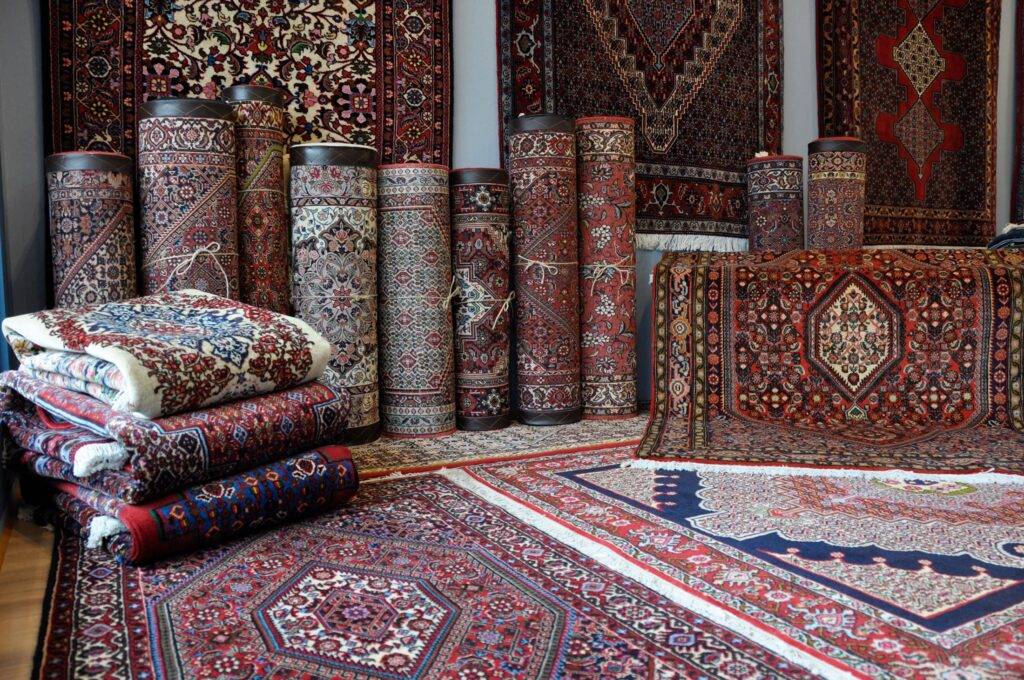
Colour coordination between rugs and wall finishes creates balanced interior spaces through intentional design choices. Successful matching considers undertones, saturation levels, plus visual weight to achieve cohesive room aesthetics. Homeowners visiting a rug store in Fyshwick Canberra, find that proper colour matching elevates ordinary spaces into sophisticated environments while maintaining visual harmony throughout living areas.
Colour wheel fundamentals
Mastering colour theory builds the foundation for successful interior coordination. Rug to wall matching depends on understanding primary and secondary colour relationships. Primary colours form the base for all other hues. Primary colours create secondary colours when they are mixed. These connections provide essential groundwork for effective colour planning. They make a striking visual contrast. Analogous colours sit next to each other. They produce calm and unified appearances. The warm colours of yellow, orange, and red energise spaces. The environments painted in cool hues of blue, green, and purple, there is a feeling of calm. The feel of the room is relaxed when they are present. Triadic schemes use three colours evenly spaced on the wheel. They add depth while keeping perfect wall and floor coordination.
Texture and pattern coordination
Surface textures and pattern scales require careful balance to prevent visual competition between wall finishes and rug designs.
- Smooth wall surfaces pair well with textured rugs that add tactile interest to minimalist spaces
- Textured walls work best with flat-weave or low-pile rugs that avoid excessive visual complexity
- Large-scale patterns on rugs work well with solid colored walls and do not create an overwhelming, busy look
- Small geometric patterns go well with subtly textured wall finishes like grasscloth or linen
- Bold wall patterns require solid or minimally patterned rugs to maintain visual balance
Pattern mixing requires attention to scale relationships where different-sized motifs create layered interest without competing for attention. Successful combinations often feature one dominant pattern with smaller supporting elements that enhance rather than distract from the primary design focus.
Light Space Considerations
Lighting transforms colour appearance within interior spaces throughout different day periods. Northern light cools hues, making them appear muted. Southern exposure warms tones, increasing vibrancy, saturation levels. Incandescent bulbs add warmth to colours. Fluorescent lighting produces cool, unflattering casts that change colour perception. Room size determines colour effectiveness. Lighter hues expand small spaces visually. Darker tones foster intimacy within expansive rooms. Colours are affected by the ceiling height. The ceilings appear lower when a room is kept light and airy.
Strategies for neutral palettes
Neutral foundations offer adaptable backgrounds accommodating evolving design preferences plus seasonal updates.
- Beige, cream walls complement warm-toned rugs in rust, gold, and deep brown shades
- Grey finishes coordinate with cool or warm rug colours based on the undertone selection
- White walls function as clean backdrops, emphasising rug colours and patterns as focal elements
- Taupe walls connect warm, cool families while preserving sophisticated neutrality
- Off-white variations like ivory, pearl, introduce subtle warmth without competing with rug designs
Neutral schemes facilitate accent introduction via pillows, artwork, and accessories that change seasonally without requiring major rug or wall updates. These foundations support bold statement rugs functioning as room focal points while preserving design cohesion.