
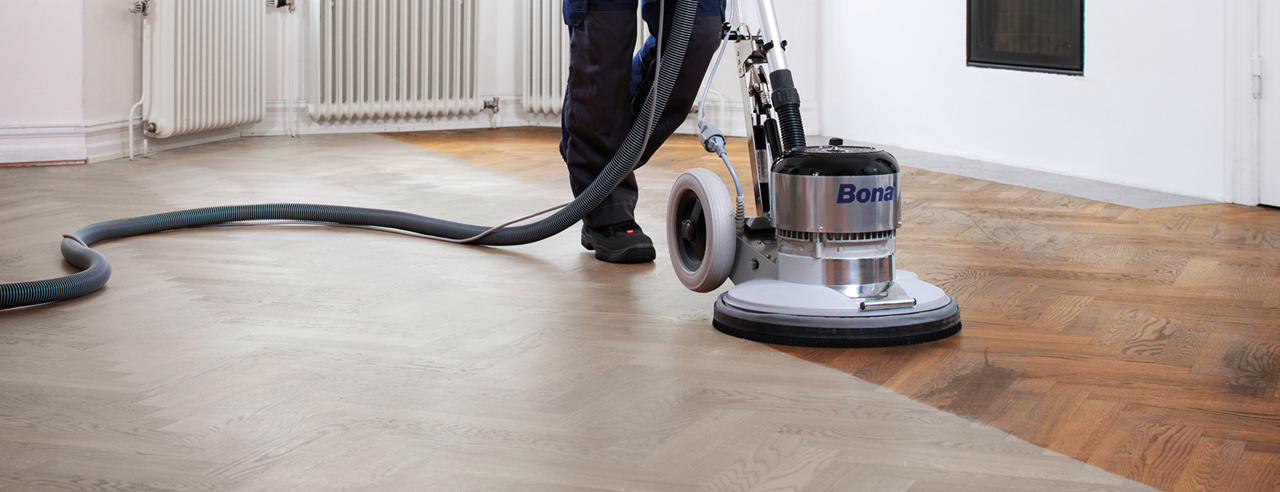
Hardwood floors are beautiful, but restoring them through sanding can be a messy process. Traditional sanding methods generate clouds of fine dust that settle on furniture, walls, and even circulate through the air, creating both a cleaning nightmare and potential health concerns. That’s why many homeowners are now turning to dustless floor sanding, a modern alternative that minimizes mess while delivering flawless results.
But what makes dustless sanding different? The answer lies in the specialized equipment designed to capture dust at the source. Let’s explore the tools and systems that make this method so effective.
How Dustless Sanding Works
Unlike traditional sanding, which leaves sawdust scattered across the room, dustless sanding systems are equipped with powerful vacuums and containment units. These machines collect the dust immediately as it’s produced, keeping the air clean and surfaces spotless.
This approach not only improves air quality but also speeds up the refinishing process since there’s little to no cleanup required afterward.
Key Equipment Used in Dustless Floor Sanding
1. Professional Floor Sanders with Vacuum Attachments
The foundation of dustless sanding is the sander itself. These machines are connected to high-powered vacuums via sealed hoses, allowing dust to be extracted the moment it’s created. Types of sanders include:
- Drum Sanders – For heavy-duty sanding of large areas.
- Orbital Sanders – For finishing and smoothing surfaces.
- Edgers – For sanding along walls, corners, and tight spaces.
2. Industrial-Grade Vacuum Systems
These vacuums are much stronger than household units. Equipped with HEPA (High-Efficiency Particulate Air) filters, they trap even the smallest dust particles, preventing them from recirculating into the air.
3. Dust Containment Units
Collected dust is stored in sealed containment bags or canisters. These units are designed for safe disposal, reducing the risk of airborne particles spreading after the job is complete.
4. Extension Hoses and Sealed Connections
Heavy-duty hoses connect sanders and vacuums. Tight seals ensure no dust escapes during the sanding process, maintaining the system’s effectiveness.
5. Air Filtration Systems (Optional)
In some cases, professionals use portable air scrubbers with HEPA filters for an added layer of dust control, especially in homes with allergy-sensitive occupants.
Why Dustless Sanding Equipment Matters
- Health Protection – Fine dust particles from wood can aggravate allergies and respiratory conditions.
- Cleaner Homes – Furniture, walls, and vents stay dust-free during the process.
- Better Finish Quality – Dust-free surfaces allow stain and finish to adhere evenly.
- Faster Project Completion – Minimal cleanup means refinishing can move forward without delays.
Trusted Experts in Dustless Sanding
Not all contractors have access to advanced dustless equipment, which is why choosing the right service provider is key. Many homeowners rely on specialists like Mebesa dustless floor sanding, known for combining state-of-the-art tools with professional craftsmanship. With this approach, clients enjoy beautifully restored floors without the hassle of dust cleanup.
Tips for Homeowners Before Dustless Sanding
- Clear the space – Move furniture and rugs to allow easy access.
- Seal adjoining rooms – While minimal, a tiny amount of dust may still escape.
- Ask about finishes – Confirm whether eco-friendly stains and sealants are available for a complete green solution.
Final Thoughts
Dustless floor sanding is revolutionizing the way hardwood floors are restored. By using advanced equipment like vacuum-assisted sanders, HEPA filtration systems, and sealed containment units, professionals can eliminate dust while achieving a flawless finish.
For homeowners, this means cleaner air, faster results, and stunning floors without the mess of traditional sanding. Choosing experienced professionals ensures the equipment is used properly, guaranteeing both efficiency and quality.