
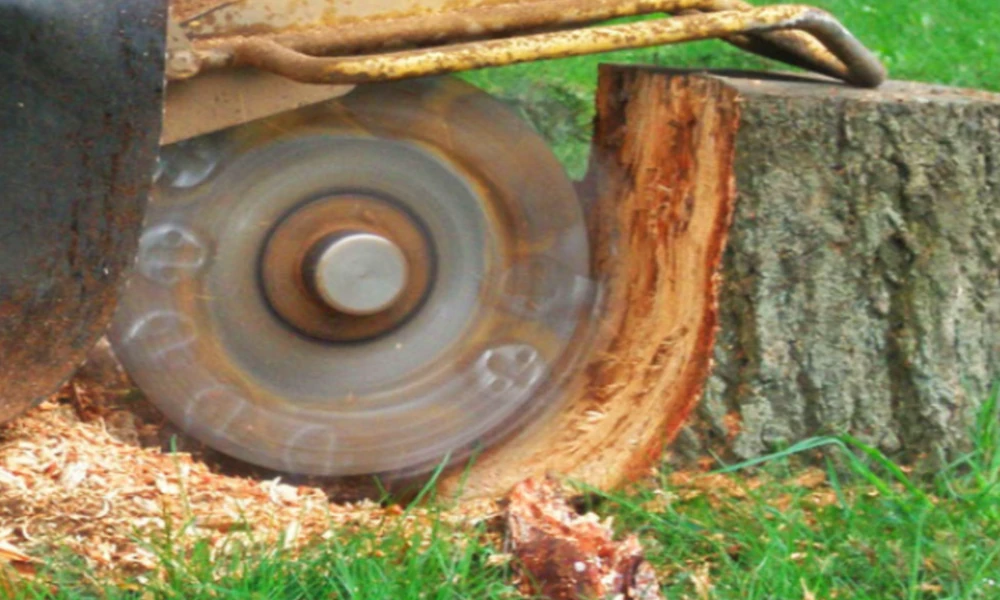
After a tree is removed, the remaining stump can affect how a property owner plans to use that part of the yard. Mowing, planting, or placing a path may be harder around a stump. That makes stump grinding one consideration in planning what comes next.
The choice depends on the site and the intended use. Stump grinding lowers the visible stump below ground level while leaving the roots in place. Full stump removal involves digging out more of the root system, which can disturb more of the surrounding ground. The right approach can vary with the stump’s size, location, and nearby features.
Assess the stump and surrounding area
Arbor Wise Tree Services lists stump grinding among its residential and commercial tree-care services in St. Petersburg. Its service page describes assessing a stump’s size, location, and surroundings before choosing a method. Those details help frame a practical discussion about access, nearby landscaping, and how the area might be used later.
The page also describes grinding the stump several inches below ground level and clearing excess wood chips and debris. It says clients can leave mulch or request soil and seeding for the area. These are options to discuss for a specific property; they do not guarantee a particular finished appearance or future growth.
Plan around the next use
A homeowner considering new grass, plants, or hardscaping may have different priorities from someone who simply wants to mow without navigating around a stump. Thinking through the next use of the space can help clarify what to ask about during an assessment, including how much of the stump will be ground down and what will happen to the resulting chips.
Arbor Wise’s page also distinguishes grinding from excavating the stump and root system. Property owners can review the company’s stump grinding services and discuss which approach fits the site.
Planning for stump grinding is one part of managing the space left after tree removal. The stump’s location, the surrounding area, and the property owner’s plans all shape the conversation about what happens next.