
The Decision to Change
My old bed had been with me for years. It was a standard spring mattress, something you could find almost anywhere. Over time, it started to sag in the centre. I would wake up with aches, especially in my lower back and shoulders. Sleep became less restful. I read about memory foam mattresses and decided it was time to try something different.
Setting Up the New Mattress
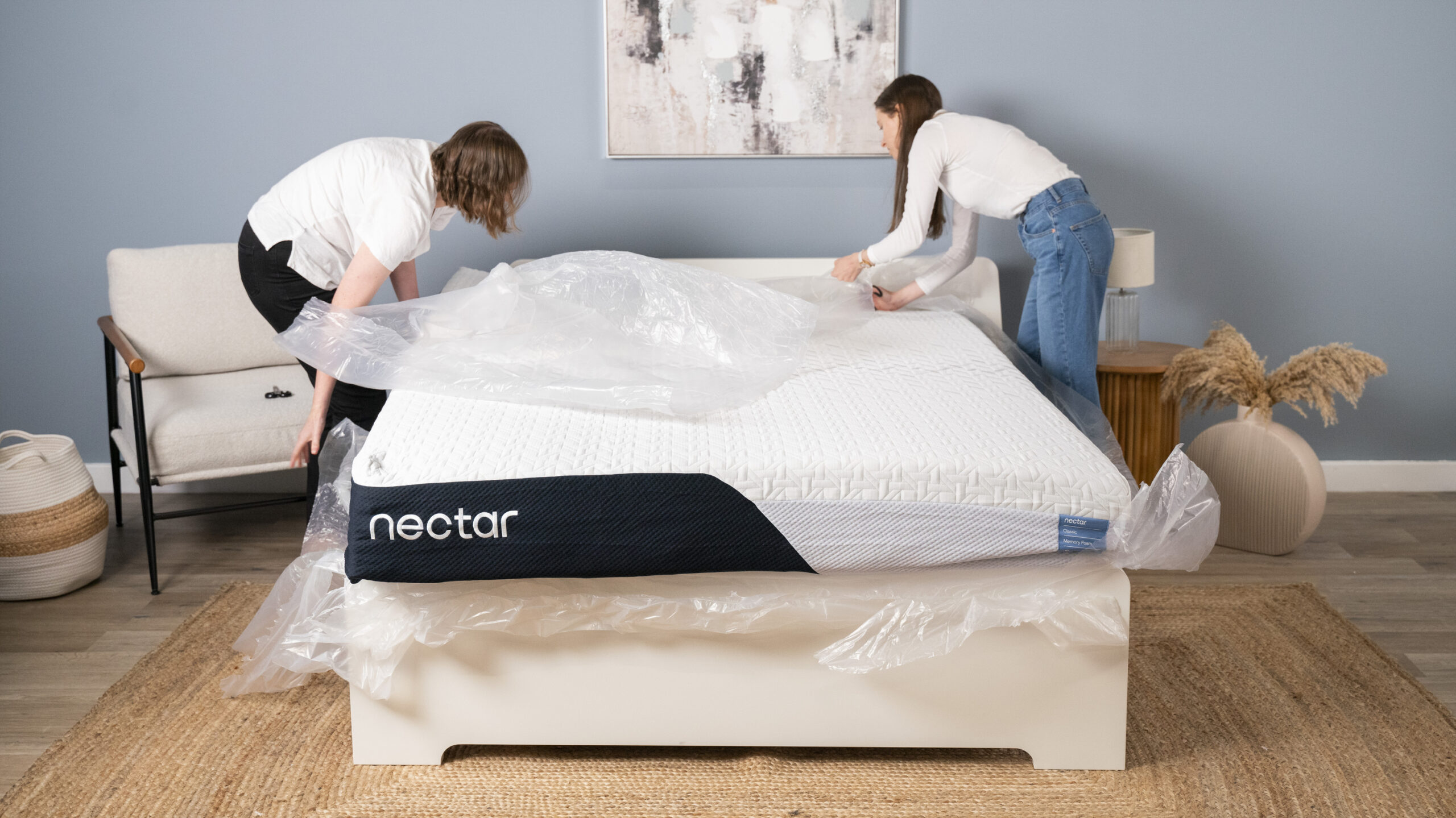
When the box from www.imattresses.co.uk arrived, I was surprised by how compact it was. The mattress was packed tightly, rolled up like a thick rug. Once I opened the plastic wrapping, the foam expanded quickly. It took a few hours for the mattress to regain its full shape. There was a faint smell at first, but it faded after a day with the window open.
The mattress felt firm yet soft to the touch. It was much flatter than my old one, with no noticeable dips or lumps. Lying down for the first time, I could feel the surface moulding to my body, even though I was not heavy.
First Night’s Sleep
That first night felt different. The foam held my shape, so I didn’t sink too far. I noticed it was easier to stay in one position. Turning over was not as simple, since the foam gave a gentle resistance. The bed did not bounce or creak. There was no noise at all. I was able to fall asleep faster than usual.
I woke up the next morning and felt rested, but my body was still adjusting. My shoulders and hips felt less pressure, yet my back was slightly stiff. I wondered if this was normal. After some reading, I found out that it takes time for a memory foam mattress to feel comfortable. The first few nights might be unusual, but most people get used to it soon.
Week One: Adaptation and Routine
By the end of the first week, the new bed felt more familiar. My back discomfort faded, and I woke up without the sharp aches I had before. The foam supported my spine evenly, and I no longer slid into a dip in the middle of the bed. I slept through the night without waking as often.
Heat was the one issue I noticed. Memory foam can hold onto warmth, and some nights felt stuffy. I solved this by using lighter sheets and keeping a fan close by. Once I changed my bedding, I slept cooler.
Effects on Sleep Quality
After a few weeks, my sleep had changed. The mattress hugged my body, making side sleeping more pleasant. I no longer tossed and turned as much. Pressure points—where my body used to ache—were now cushioned. The foam did not push back against me, so my limbs didn’t fall asleep or tingle.
Noise was gone. The bed never squeaked when I moved, and if someone else lay beside me, their movement didn’t disturb me. This was a welcome change. On my old mattress, every shift made a sound.
What Stayed the Same
Not everything changed. My morning routine stayed as it had always been. I still needed to stretch after waking up. The mattress did not fix my habits or make me leap out of bed feeling perfect. It improved my comfort but did not solve every problem.
Cleaning the mattress was straightforward. I could wipe the surface with a damp cloth and use a mattress protector. It was heavier than my spring mattress, which made moving it a bit more difficult.
Small Challenges
There are some things to keep in mind. Quality memory foam mattresses tend to be heavier and less flexible. Carrying it up stairs or moving it in a small room can be tricky. Also, the foam holds heat, so people who get warm at night may need to adjust their bedding.
Some people may find memory foam too firm. It takes a bit of time to get used to how the mattress feels. If you like a very soft or bouncy bed, the change will be noticeable.
Final Thoughts
Switching to a memory foam mattress changed how I sleep. The support and comfort are better than my old spring mattress. My body feels more relaxed each morning, and the nights are quieter. There are small drawbacks, such as heat and weight, but the benefits outweigh them for me. If you are thinking about making the change, be prepared for a short adjustment period. The result could be a better night’s rest.