
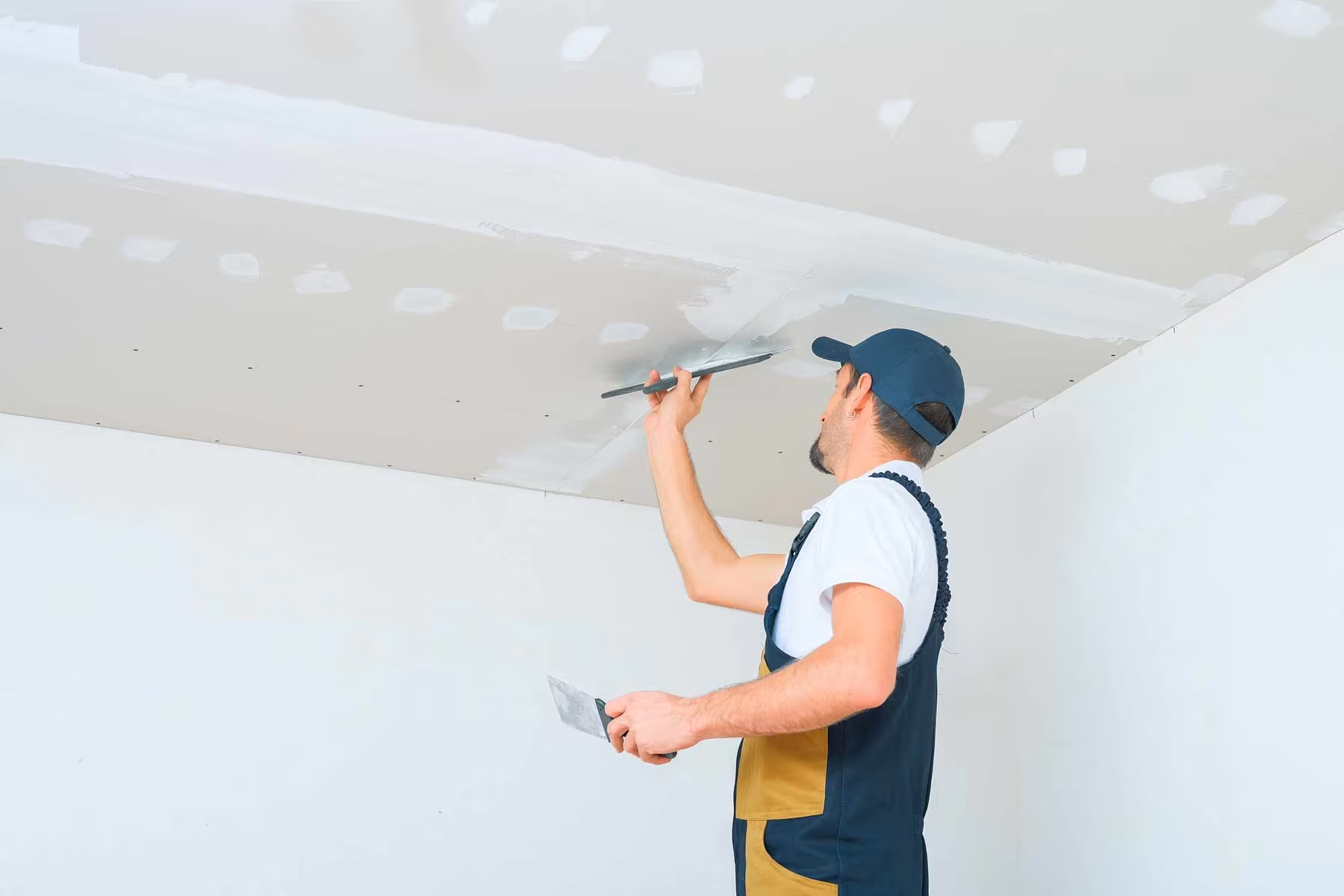
Drywall installation may look simple, but achieving a smooth, flawless finish requires precision, proper tools, and the right materials. Whether you’re building new walls or repairing old ones, using professional-grade equipment can save time, reduce waste, and improve the final look. Here’s a detailed breakdown of the best tools and materials used by experts in BuildRex drywall installation.
Essential Tools for Drywall Installation
1. Utility Knife
A sharp utility knife is your go-to tool for cutting drywall sheets. Always use replaceable blades to ensure clean, straight cuts. A dull knife can tear the paper face of the drywall, leading to uneven edges and visible seams later.
2. Drywall T-Square
This metal tool helps mark precise straight lines when cutting sheets. It guarantees accurate alignment, especially when you’re working on multiple panels or large wall sections.
3. Tape Measure
Accuracy is everything. A reliable tape measure ensures your panels fit perfectly around outlets, doors, and windows, minimizing waste and saving time during installation.
4. Drywall Saw
A drywall saw or jab saw is ideal for cutting holes for electrical boxes, vents, and switches. Choose one with a sharp point to pierce the panel easily and saw smoothly without damaging the surrounding surface.
5. Screw Gun or Drill
Screw guns speed up installation and provide consistent screw depth. They help secure drywall sheets to studs quickly without overdriving the screws, which could damage the surface. For smaller projects, a cordless drill with adjustable torque works just as well.
6. Taping Knife Set
You’ll need a range of taping knives — typically 4-inch, 8-inch, and 12-inch sizes — for applying joint compound and smoothing seams. Wider blades help feather the compound edges for an invisible finish.
7. Sanding Tools
Smooth surfaces require sanding between coats. Use a sanding pole for large walls or a hand sander for small patches. To minimize dust, professionals often prefer vacuum-assisted sanders or mesh sanding sheets.
8. Corner Trowel
This tool is designed for applying joint compound cleanly into inside corners. It ensures sharp, consistent lines and eliminates the need for excessive sanding afterward.
Key Materials for Quality Results
1. Drywall Sheets
Choose drywall type based on your project needs:
- Regular drywall for standard walls and ceilings.
- Moisture-resistant (green board) for bathrooms or kitchens.
- Fire-resistant (Type X) for garages or utility areas.
- Soundproof drywall for media rooms or offices.
Selecting the right thickness — typically ½ inch for walls and ⅝ inch for ceilings — ensures both durability and code compliance.
2. Joint Compound
Also known as mud, joint compound fills seams, screw holes, and imperfections. There are three main types:
- All-purpose compound for taping and finishing.
- Setting-type compound that hardens quickly for faster projects.
- Lightweight compound for final coats and easy sanding.
Professionals often use multiple types in sequence for the best finish.
3. Drywall Tape
Drywall tape reinforces seams and prevents cracks.
- Paper tape offers strong bonding for long joints.
- Fiberglass mesh tape is self-adhesive and great for small repairs or curved areas.
Apply tape before the first compound coat for maximum durability.
4. Drywall Screws
Use fine-thread screws for metal studs and coarse-thread for wood studs. Space them about 12 inches apart on ceilings and 16 inches on walls for proper support.
5. Primer and Paint
After sanding and cleaning, apply a primer designed specifically for drywall. It seals the surface and ensures uniform paint absorption. Quality primer makes your topcoat smoother and longer-lasting.
Pro Tips for Flawless Installation
- Always start drywall installation from the ceiling before moving to walls.
- Stagger seams between panels to increase strength.
- Keep screws slightly below the surface without tearing the paper.
- Apply at least three thin coats of joint compound, sanding between each.
- Use proper lighting to check for imperfections before painting.
Following these steps results in clean, professional-grade walls with minimal finishing work.
Final Thoughts
A perfect drywall installation depends on two things — skilled technique and the right equipment. From precision cutting tools to high-quality compounds and tapes, every detail affects the final outcome.