
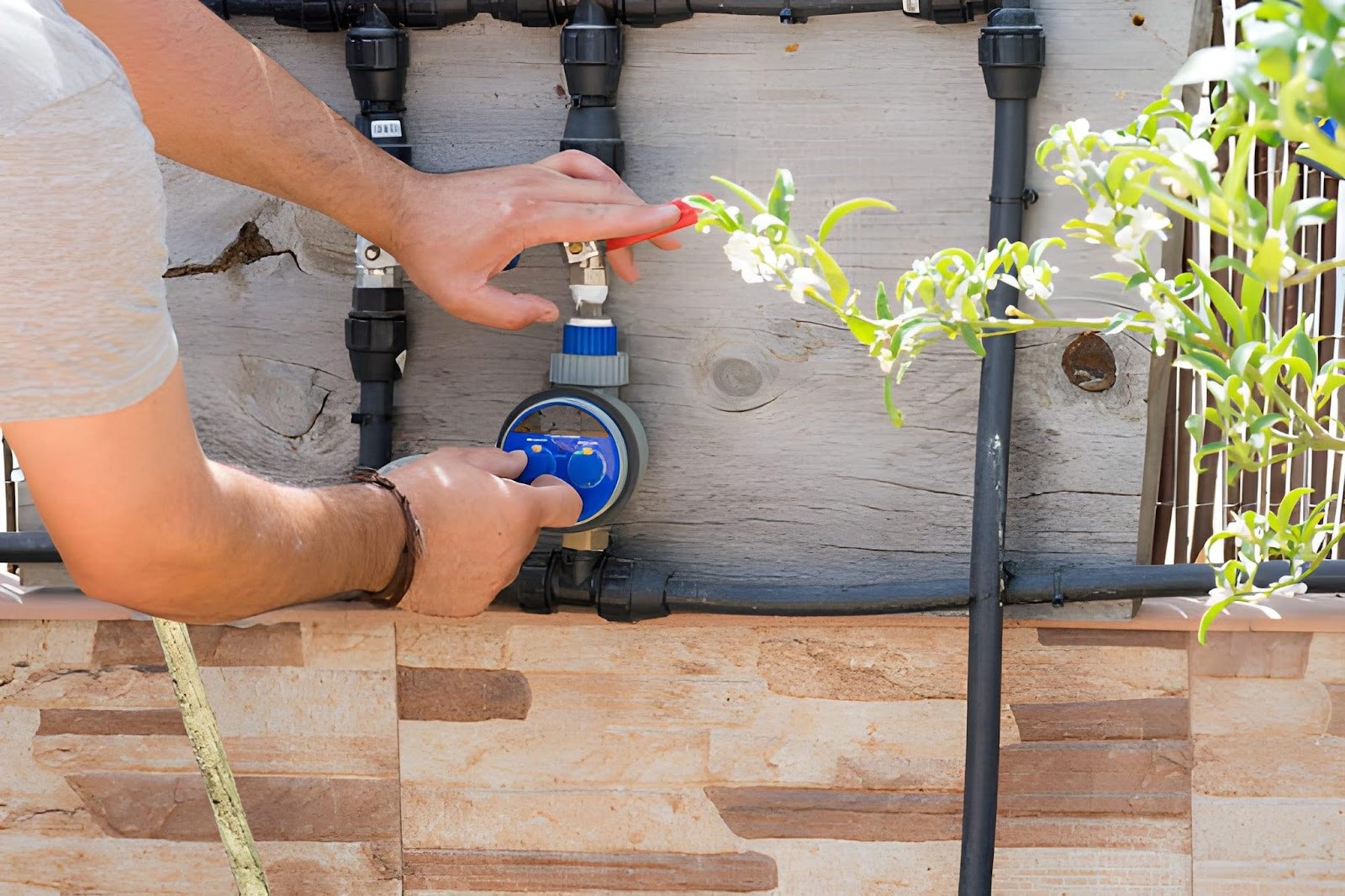
Managing the water flow in your home is not just about turning taps on or off; there is a smart, practical solution you can apply to keep things running smoothly and avoid surprise plumbing problems.
Why you need to think about water pressure
High or fluctuating pressure can stress your home’s plumbing system. The team at Oasis Plumbing recommends that your system be serviced by plumbing professionals, so you are not guessing about what is going on. At Oasis Plumbing, they have seen homes where unmanaged pressure caused leaks, noisy pipes, and even early appliance failure simply because the pressure was not under control.
Enter the regulator valve
A device called a water pressure regulator valve helps you keep the flow in check. According to Benjamin Franklin Plumbing of Denver, this valve lowers the incoming city water pressure to levels your home can safely handle.
When done right:
- Less wear and tear on your pipes
- Fewer pinhole leaks and clanging pipes
- Reduced waste and lower water bills.
What is the ideal pressure?
You will want to have your system set to an optimal range. You can see several real-life examples that you can find if you ever get the chance to read an Anderson Plumbing guidebook. According to this guidebook, it has been suggested that the right water pressure must be set between 40 and 80 PSI. Most of you will find that setting the pressure level to 60 PSI will be the ideal setting for your home. Handling this involves water pressure adjustment, especially when you first install or check the regulator.
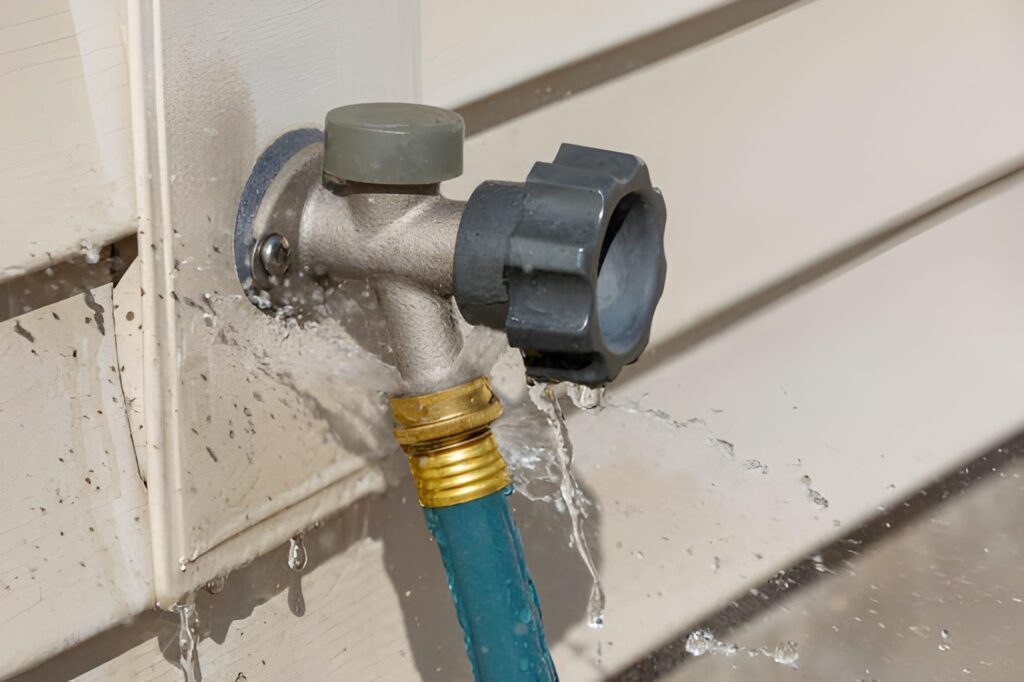
How you set it up and check it
- Locate your water meter and main line (common place for regulator).
- Find the regulator on that line, usually a bell-shaped valve with a top screw.
- To check the water pressure, prefer to use a standard water pressure gauge on your faucet, which will indicate the pressure in PSI. If the reading shows more than 70 PSI, then the pressure is very high.
- Adjust the screw after loosening the locknut. To reduce the pressure, you must turn the screw anti-clockwise. If you need to increase the pressure, then turn it in the opposite direction. Then retighten.
- Call in a pro (like Oasis Plumbing) if you are unsure or your pressure keeps drifting.
Benefits you will notice
- Smoother flow from showers and faucets
- Quieter plumbing (less hammering, banging)
- Reduced risk of leaks and pipe damage
- Better appliance performance and possibly lower bills
Final thoughts
A properly installed water pressure regulator makes a noticeable difference in how smoothly your home’s plumbing performs. When the setup is done correctly, you get steadier flow, fewer surprises, and less strain on your pipes. Working with trained plumbers from Oasis Plumbing adds another layer of reassurance because they understand how to fine-tune the system to your home’s needs.
If you have been dealing with strange pipe noises, pressure that rises and drops for no reason, or you simply want better control over how water moves through your house, adjusting or installing a regulator is an easy, practical improvement.