
Maybe you’re reading this because the rent is late again. Or you’re tired of reminding tenants about payments every month. Or maybe you’re growing from one rental unit to several and need a better system for collecting rent.
Whatever your situation, you’re here to learn the best way to collect rent — and this guide will walk you through your options in a simple and practical way. We’ll explain how landlords collect rent today with rent collection software designed for landlords, the pros and cons of each method, and how to choose the option that fits your needs.
Key Points to Remember
- Choose tools that match your rental size. Small landlords may do fine with bank transfers or payment apps, while larger portfolios benefit from an online rent collection system for landlords.
- Fast payment apps are convenient but may come with limits or weak protection in disputes.
- Use methods that create records, timestamps, and receipts.
- Always check transaction fees, transfer limits, and legal rules in your area.
How Do Landlords Collect Rent Today?
Most landlords use one or more of these common rent collection methods:
- Property management software
- In-person rent collection
- Rent checks sent by mail
- Bank transfers
- Online rent payment apps
Let’s look at each method in detail so you can see which one works best for you.
1. Property Management Software
Property management software is one of the most complete and reliable ways to collect rent. These tools are designed especially for landlords and rental properties.
They often include:
- An online rent collection system for landlords
- Tenant screening
- Maintenance tracking
- Lease records
- Reports and accounting tools
Tenants can log in to a secure portal, pay rent online, view history, and even set up automatic payments.
Features and Benefits
Modern property management software may include:
- Automatic rent reminders
- Automatic late fee calculations
- Multiple payment options
- Real-time payment alerts
- Syncing with accounting tools
- Mobile apps for landlords and tenants
The biggest benefit is automation. It saves time, reduces manual work, and helps prevent mistakes.
Many platforms also give landlords clear reports on income, payment trends, and property performance.
Limitations
- Monthly subscription fees
- May feel complex at first
- Smaller landlords may find the cost high
- You still need to follow laws on your own
However, for landlords managing several units, an online rent collection system for landlords is often the most efficient long-term option.
2. In-Person Rent Collection
Some landlords still collect rent in person. This usually means meeting tenants and receiving payment in cash or by check.
This can work well if:
- You manage only a few units
- The properties are close together
- You prefer face-to-face interaction
Advantages
- Direct control over payments
- Strong personal connection with tenants
- No third-party apps or fees
- Immediate confirmation of payment
Disadvantages
- Safety risks when handling cash
- Time-consuming, especially with many units
- Manual records and higher risk of mistakes
- Harder to schedule around busy routines
Because of these concerns, many landlords are moving away from cash payments and switching to digital systems.
3. Rent Checks Sent by Mail
Some tenants still prefer mailing rent checks. The landlord receives the check, deposits it, and records the payment.
Advantages
- Strong paper record
- No app fees
- Works for tenants who don’t use digital tools
- Landlord doesn’t need to share banking details
Limitations
- Mail delays can cause late payments
- Checks can be lost or stolen
- Bounced checks cause extra work
- Manual deposits and record-keeping take time
This method may work for a few rentals, but it becomes difficult as your portfolio grows.
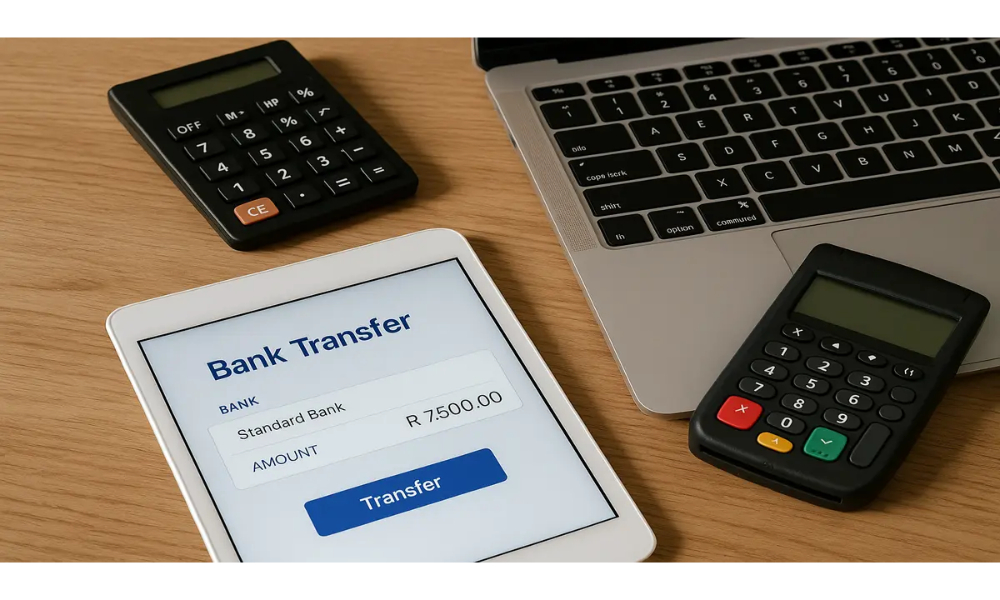
4. Bank Transfers
Bank transfers let tenants send rent straight from their account to the landlord’s account. Payments are secure and leave a clear electronic record.
Transfers usually take 1–3 business days, though some banks also offer same-day ACH transfers.
Advantages
- Can be set as recurring automatic payments
- Secure and backed by banks
- Clear digital records and timestamps
- Simple to use through mobile banking apps
Limitations
- Some banks have transfer limits
- May require sharing banking information
- Changes or cancellations can take time
- Possible account or service fees
Bank transfers work well for many landlords, especially when combined with written receipts.
5. Online Rent Collection Apps
Online payment platforms like PayPal, Venmo, and Zelle are popular because they are fast and convenient.
They make it easy for tenants to pay from anywhere and give landlords quick access to funds.
Advantages
- Fast and easy to use
- No travel or paper handling
- Automatic transaction records
- Secure and encrypted systems
Disadvantages
- Some apps charge service fees
- Transfer limits may apply
- Limited business protection
- Not all apps support rental businesses
For serious rental operations, many landlords eventually move to a full online rent collection system for landlords instead of general-use payment apps.
How to Choose the Best Rent Collection Method
When choosing your payment method, consider the following factors:
1. Size of Your Rental Portfolio
- One or few units: bank transfers or payment apps may be enough
- Five or more units: property management software is usually more efficient
As your rentals grow, automation saves time and reduces stress.
2. Comfort With Technology
- Prefer traditional methods? Checks or basic bank transfers may work
- Comfortable with digital tools? Online rent systems are faster and easier
You can also offer more than one option to support different tenant needs.
3. Costs vs. Benefits
Free or low-fee options may seem attractive at first — but they often lack features like:
- Automated reminders
- Late fee handling
- Payment blocking controls
Paid platforms cost more, but they:
- Save time
- Reduce manual work
- Improve records and accounting
- Help prevent disputes
Think about both money cost and time cost.
4. Security and Legal Needs
A secure online rent collection system for landlords provides stronger records than informal payment apps.
This can help if:
- Payments are disputed
- You need proof in court
- Eviction or legal action becomes necessary
Always check local laws about rent payments and fees.
Final Thoughts
Collecting rent is not only about money — it’s also about building a smooth and professional system that works for both landlords and tenants.
The best approach is usually a main digital method plus a simple backup option for special cases.
If you want a system that saves time, keeps clean records, and helps tenants pay on time, consider using an online rent collection system for landlords or a full property management platform.
This kind of setup brings together convenience, automation, and strong financial reporting — giving you more control and peace of mind as your rental business grows.