
Homeowners who have spotted something suspicious and want to protect their home may want to have a pest inspection done regularly. It is important to know that what you do before the inspector arrives can affect the quality and accuracy of the inspection. A well-prepared home allows the pest professional from Pointe Pest or Pointe Pest Control in Buffalo Grove, IL to work more efficiently, spot problem areas more clearly, and give you a more thorough report. If you have a pest inspection scheduled, here are five things you should do ahead of time to get the most out of it.
Clear Out Cabinet and Pantry Spaces
Pest inspectors need to get a good look inside your kitchen cabinets, bathroom vanities, and pantry shelves. These are prime locations for cockroaches, rodents, and stored-product pests like pantry moths. Cabinets that are packed full of items can limit visibility and make it harder to spot droppings, egg cases, or damage. Before your inspection, remove items from under the kitchen and bathroom sinks. Also, pull food items away from the back walls of pantry shelves. Check for expired or open food packages, discard them, and wipe down shelves so any fresh droppings or stains are easier to identify.
Pull Appliances Away from the Wall
The space behind your refrigerator, stove, and dishwasher is usually overlooked. Unfortunately, this area can attract many types of pests. The presence of warmth, moisture, food debris, and darkness makes these spots ideal nesting zones for cockroaches and rodents.
Safely move these appliances before the inspector arrives. This gives the professional a clear line of sight to the wall, floor, and utility connections behind each unit. Let the inspector know ahead of time if you cannot move the appliances yourself so they can plan accordingly.
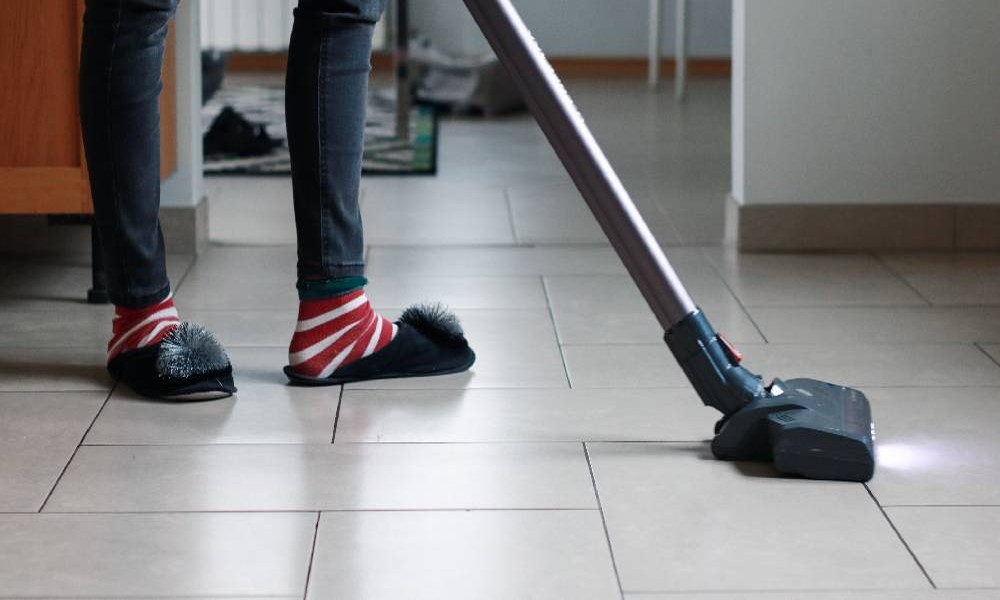
Sweep or vacuum debris that accumulates in these spaces. A cleaner surface makes it much easier to spot pest evidence like grease trails, droppings, or gnaw marks.
Make the Attic and Basement Accessible
Pest inspectors need access to the attic, basement, crawl space, and garage. These areas are common entry points and nesting grounds for rodents, termites, and other pests that Buffalo Grove, IL homeowners frequently deal with. Move boxes or stored items away from walls in the basement and garage. Clear a path to the attic access hatch. Also, make sure crawl space entry points are unobstructed. Note any areas where you have noticed moisture, damage, or unusual odors.
Document Any Signs or Concerns You Have Noticed
Write down any signs of pest activity you notice. This could include scratching in the walls at night, chewed food packaging, or droppings in a specific area. This information is valuable to the inspector and helps them focus on the right zones. Keep a short list of the following:
Locations where you have seen pests or pest evidence.
Rooms or areas with unexplained odors.
Any damage you have noticed that could indicate pest activity, such as chewed wood, gnawed wires, or water-damaged drywall that might be hiding a problem.
Share this information at the start of the inspection to help the professional prioritize and provide a more targeted report.
Secure Your Pets and Inform Your Inspector About Them
Pets can complicate a pest inspection in a couple of ways. First, they may interfere with the inspector’s ability to move freely through the home. Second, pet food and water bowls, bedding, and waste areas can attract pests like cockroaches, ants, and rodents. Before the inspection:
Secure dogs and cats in a separate room or outdoor space during the visit.
Pick up and store pet food bowls if they are not in use.
Clean up any pet waste in the yard, as this can attract flies and rodents.
Let the inspector know if your pet has had a flea or tick issue recently.