
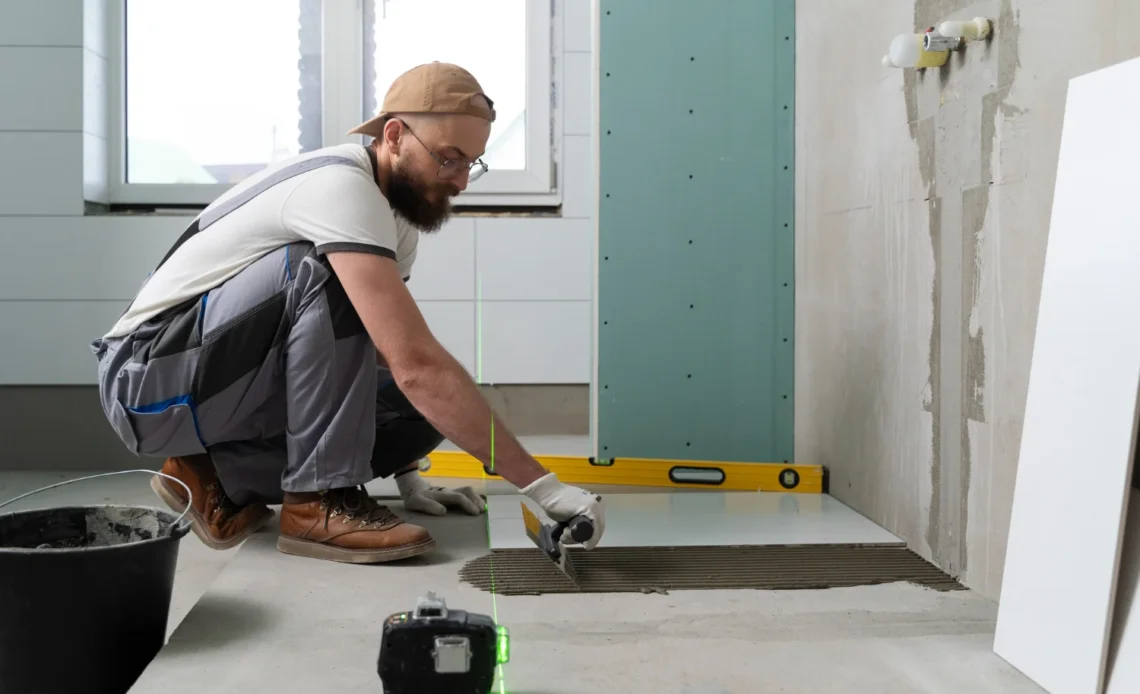
A new floor can completely change the look of a home, but the finished surface is only as reliable as the concrete or subfloor underneath it. Many homeowners spend most of their time comparing tile, luxury vinyl plank, laminate, or hardwood while assuming the existing floor is already ready for installation. That assumption can create problems long after the renovation appears complete.
In Tampa homes, uneven concrete slabs are more common than many homeowners realize. Small dips, raised areas, cracks, old adhesive, and previous patchwork may not be obvious until the old flooring is removed. Once a new material is installed under those conditions, even a minor irregularity can affect how the entire floor looks and performs.
Proper floor leveling is not simply about making the surface appear flat. It helps create a stable installation base, improves material performance, and reduces the risk of movement, gaps, hollow areas, or premature damage. Taking care of the substrate before installation usually costs far less than removing and replacing a finished floor later.
Uneven Floors Create Different Problems for Different Materials
Every flooring material reacts differently to an uneven surface. Tile is rigid, so it requires consistent support underneath each piece. When tile is installed over dips or high spots, some sections may carry more pressure than others. Over time, this can contribute to cracked grout, loose tile, or hollow-sounding areas.
Luxury vinyl plank and laminate are more flexible, but that does not mean they can hide an uneven slab. Low areas may allow the flooring to flex underfoot, while raised sections can prevent planks from locking together correctly. Homeowners may eventually notice movement, separating seams, clicking sounds, or uneven transitions between rooms.
Hardwood and engineered wood can also be affected by poor substrate conditions. If the floor is not properly evaluated before installation, boards may sit unevenly, develop movement, or create noticeable changes in height across the room. The material may be new, but the finished result can still feel unstable.
This is why experienced installers do not judge a floor only by how it looks from standing height. The substrate must be checked closely before the final flooring system is selected or installed.
Florida Concrete Slabs Need Careful Evaluation
Most Tampa homes are built on concrete slabs, and those slabs are not always perfectly flat. Concrete may settle, develop cracks, or contain variations left from the original construction. Previous flooring installations can also leave behind thinset, adhesive, patching compounds, or damaged areas that affect the new surface.
Florida’s climate adds another layer to the evaluation. Moisture can move through concrete, and high humidity may affect certain flooring products, adhesives, and leveling materials. A contractor should understand both the shape of the slab and the conditions inside it before beginning the installation.
On many projects, the most important work happens after demolition and before the homeowner sees any new flooring. That is when the slab can be inspected properly, high spots can be identified, low areas can be measured, and cracks or surface contamination can be addressed. Skipping that stage may save time at the beginning, but it often creates more expensive problems later.
How Professional Floor Leveling Is Performed
Every successful flooring project starts with understanding the condition of the existing surface rather than assuming it is ready for installation. Professional floor leveling is a step-by-step process that focuses on creating a stable foundation before any finish flooring is installed.
The first stage is removing old flooring and exposing the concrete slab. Once the surface is visible, installers can identify cracks, leftover adhesive, thinset residue, paint, sealers, or other materials that could interfere with the bond of new flooring products.
Surface preparation often includes mechanical grinding to remove contaminants and eliminate high spots. Grinding also helps create the proper surface profile for leveling compounds or flooring adhesives. Areas that sit lower than the surrounding slab may require patching or self-leveling products to bring the floor within the manufacturer’s flatness requirements.
One thing we’ve learned after working on many Tampa homes is that homeowners are often surprised by what is hiding underneath old flooring. A room that appeared perfectly level can reveal years of previous repairs, patched concrete, or leftover thinset once demolition is complete. Addressing those issues before new flooring goes down almost always produces a better long-term result than trying to work around them.
Signs Your Home May Need Floor Leveling
Not every uneven floor is obvious. Some warning signs are subtle and only become noticeable after new flooring begins to show problems.
Common indicators include:
- Floors that feel uneven while walking.
- Visible gaps beneath a straight edge placed on the floor.
- Cracked grout or recurring tile problems.
- Luxury vinyl planks that flex or click when stepped on.
- Doors that swing open or closed unexpectedly because of floor movement.
- Noticeable height changes between adjacent rooms.
If any of these conditions exist, the floor should be evaluated before selecting new flooring materials. Correcting the substrate first usually leads to a cleaner installation, better manufacturer compliance, and improved durability over the life of the floor.
Why Preparation Usually Saves Money
Some homeowners hesitate when they hear that floor leveling is recommended because they see it as an extra expense. In reality, proper preparation often prevents far more costly repairs in the future.
Replacing damaged tile, reinstalling loose luxury vinyl planks, repairing cracked grout, or correcting flooring failures after furniture has been moved back into the home is significantly more disruptive than preparing the slab correctly the first time. Investing in the substrate before installation helps protect both the flooring material and the labor that goes into the finished project.
Choosing the Right Contractor Makes a Difference
Floor leveling is not simply about pouring a leveling compound over concrete. Every home is different, and the correct solution depends on the condition of the slab, the type of flooring being installed, and the manufacturer’s installation requirements.
An experienced flooring contractor will determine whether grinding, crack repair, patching, moisture testing, or self-leveling products are necessary before installation begins. Skipping this evaluation may leave hidden problems beneath the finished floor, where they become much more expensive to correct later.
For homeowners planning a renovation, it’s worth working with a company that understands both surface preparation and flooring installation as one complete system rather than treating them as separate jobs.
If you’re planning new flooring and want to learn what professional surface preparation involves, professional floor leveling for Tampa homes can help you understand the process before installation begins.
Frequently Asked Questions
Does every home need floor leveling before new flooring is installed?
Not necessarily. Some concrete slabs are already within the manufacturer’s tolerance, while others develop uneven areas over time. The only reliable way to know is to inspect the exposed slab after the existing flooring has been removed.
Can luxury vinyl plank be installed over an uneven concrete floor?
Luxury vinyl plank can handle minor imperfections better than tile, but it still requires a properly prepared surface. Significant dips, high spots, or damaged concrete can lead to movement, joint separation, or premature wear after installation.
Is floor leveling worth the additional cost?
In many cases, yes. Correcting the substrate before installation helps protect your investment by reducing the likelihood of flooring failures, uneven wear, or costly repairs later. Proper preparation is often one of the most important steps in achieving a long-lasting floor.
Final Thoughts
Beautiful flooring starts long before the first tile or plank is installed. Whether you’re choosing luxury vinyl plank, tile, hardwood, or laminate, the condition of the subfloor plays a major role in how the finished project performs over time.
Taking the time to properly evaluate and level the surface helps create a stronger installation, improves long-term durability, and gives homeowners greater confidence that their investment will continue looking its best for years to come.