
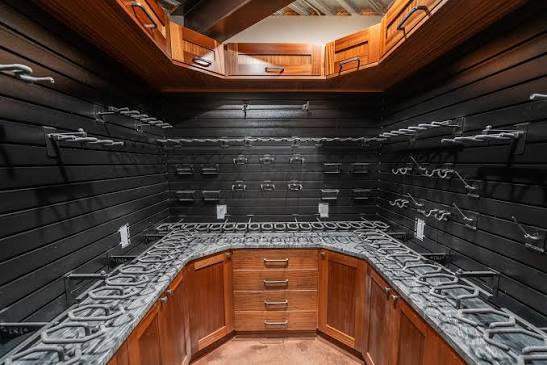
Key Takeaways
custom safe rooms are a strategic investment focused on enhancing safety and well-being, forming a vital part of any homeowner’s comprehensive security strategy.
Effective safe rooms boast key features like reinforced doors, integrated communication systems, optimal ventilation and air filtration, along with dependable emergency lighting, all crucial for ensuring readiness in emergencies.
Building a custom safe room can lead to lower long-term security expenses, potential insurance savings, and an increase in property value, making it an economically smart choice.
Identifying the right location for a safe room is paramount; it must be easily accessible during emergencies yet discreet enough to avoid drawing unnecessary attention.
Incorporating design elements such as ballistic wall panels, advanced locks, and robust flooring can elevate both the functionality and security of a safe room, contributing to a more inviting atmosphere.
The installation of a safe room requires a meticulous approach, involving a careful site assessment, design finalization, and the integration of critical safety features—these are important steps clients should prepare for to ensure a smooth process.
Ultimately, custom safe rooms deliver peace of mind by seamlessly blending functional safety with comfort, thus creating secure havens in an unpredictable world.
What Makes Custom Safe Rooms a Smart Investment?
Investing in a custom safe room often goes beyond simple precaution; it signifies a commitment to enhancing safety and well-being. Many homeowners are recognizing its importance. Professionals advocate for this type of investment, especially in light of the unpredictability of today’s threats. Tailored security is not merely an optional add-on; it’s a necessary component of a comprehensive safety strategy.
Key Features That Enhance Safety and Security
The design of the room plays a crucial role in determining its effectiveness. Factors such as high-quality materials, reinforced walls, and secure locks are essential when considering safety. Key features to look for in a custom safe room often include:
- Reinforced Doors: Heavy-duty, impact-resistant doors act as the primary barrier against external threats.
- Integrated Communication Systems: These systems facilitate contact with the outside world during emergencies, bridging the gap between isolation and critical information.
- Ventilation and Air Filtration: Advanced filtration systems safeguard against environmental hazards like smoke or chemical exposure.
- Emergency Lighting: Reliable lighting is vital for navigating dark or stressful situations.
These features collectively bolster a safe room’s purpose, forming a robust defense against unexpected events. After all, can one truly assign a price to peace of mind? It seems implausible.
The Cost-Effectiveness of Tailored Protection Solutions
Understanding the financial implications of constructing a custom safe room can clarify the investment’s value. Clients often find that the initial costs pay off in terms of long-term safety and assurance. Here’s how traditional security options measure up against custom solutions:
- One-time investment: A secure room is designed for longevity, which reduces the ongoing expenses associated with temporary measures.
- Insurance Savings: A stronger safety profile can lead to lower insurance premiums, increasing overall cost-efficiency.
- Enhanced Property Value: Homes with safe rooms typically command higher resale prices, particularly in areas prone to risk.
However, it’s not solely about financials. Tailored protection lessens the dependency on external systems, granting residents full control over their security. Isn’t that kind of independence worth a bit more?
How to Choose the Right Location for Your Safe Room
Location might indeed be the most crucial aspect in maximizing a safe room’s effectiveness. Evaluating a property’s unique design and associated risks is vital when deciding where to place such an important investment. This choice goes beyond mere convenience; it’s about strategic placement.
Evaluating Your Property’s Unique Layout and Risks
Clients need to grasp the nuances of their property to position safe rooms for maximum accessibility and functionality. Here are some key considerations:
- Proximity to Entry Points: A location that can be quickly accessed during an emergency can make all the difference between safety and turmoil.
- Basement vs. Above Ground: In areas susceptible to tornadoes, underground or basement safe rooms typically provide superior protection.
- Floor Plan Integration: An effective safe room should smoothly blend into the existing layout to facilitate easy access and usage.
Experts would suggest conducting a thorough property survey and identifying potential hazards in this evaluation. Safety often lies in the details, after all. But are there hidden risks that might be overlooked?
Proximity to Essential Areas: What to Consider
The design and situational advantages of a safe room can drastically change based on its distance from key zones. Think about the typical gathering spots for family members and areas that need quick access during emergencies. Effective proximity strategies may include:
- Near Sleeping Areas: Residents instinctively head toward familiar spaces during crises.
- Accessible Yet Concealed: The safe room should be easily reachable while remaining hidden from plain sight, minimizing unwanted attention.
- Proximity to Staircases or Egress Routes: Planning for quick exits can substantially improve escape options.
Clients often find that meticulous planning not only boosts safety but also fosters rapid response times. Isn’t that the ultimate blend of security and design?
Designing Your Safe Room: Personalization Options That Matter
Traditionally, aesthetics may not top the priority list for a safe room. But disregarding design is a missed opportunity. Customization possibilities abound, allowing for both functionality and comfort—a fine balance of form and function.
Essential Design Elements for Optimal Safety
While the primary function remains protection, specific design features can enhance the room’s effectiveness. Common inclusions often entail:
- Ballistic Wall Panels: These panels offer extra defense against direct threats.
- Smart Door Locks: Innovations in lock technology streamline access while improving safety.
- Durable Flooring: Selecting flooring materials that can withstand impact and elements contributes to overall functionality.
Here, form meets utility, since safety is not just about materials but how they interact within the space. A well-designed safe room can transform into a sanctuary rather than a fortress.
Aesthetic Choices: Making a Safe Room Feel Inviting
Fostering a welcoming ambiance in a custom safe room can yield unexpected benefits. It can ease anxiety during high-stress moments, promoting a sense of calm. Personal touches, such as:
- Personalized Artwork: Family photos or cherished artwork help cultivate a feeling of normalcy.
- Comfortable Seating: Incorporating soft furnishings can provide comfort during prolonged waits.
- Adaptable Lighting: Dimmer switches or soft lighting can create a more inviting environment.
Such thoughtful choices elevate a safe room’s functionality, imbuing it with community and warmth. Who wouldn’t find solace in a comforting atmosphere in the face of uncertainty?
Understanding the Installation Process: What to Expect
Many clients experience anxiety regarding the installation of a safe room, often envisioning logistical challenges, mess, and time commitments. What can an expectant homeowner truly anticipate?
Step-by-Step Breakdown of Safe Room Construction
The construction phase typically follows a series of critical steps. Familiarity with this process can lessen anxiety and establish realistic expectations. Here’s a typical breakdown:
- Site Assessment: Evaluating the location to ensure proper installation.
- Design Finalization: Confirming design elements and custom features that align with the homeowner’s specifications.
- Foundation and Structure: A solid foundation is essential for durability.
- Installation of Features: Incorporating safety elements like doors, communication systems, and ventilation systems.
- Final Inspection: Verifying that all components comply with safety codes and homeowner requirements.
This organized approach enables clients to plan effectively, thereby significantly reducing stress levels. Knowing what to expect can turn anxiety into eager anticipation.
Timing and Preparation: Getting Ready for Your Safe Room
Pre-installation preparations can smooth out the entire process. Clients sometimes underestimate how strategic preparation influences the overall timeline. Here are some helpful considerations:
- Clear the Site: Removing any obstacles from the installation area simplifies the build.
- Budgeting for Extras: Planning for unforeseen expenses ensures there’s funding available throughout the process.
- Open Communication with Contractors: Establishing clear lines of communication addresses concerns and cultivates a collaborative atmosphere.
The true investment in custom safe rooms lies not just in materials or technology but in the peace of mind they offer, addressing the complexities of modern safety requirements. Thoughtful design meets unprecedented security expectations in these personalized spaces. The world may be unpredictable, but a well-designed safe room significantly enhances a home’s safety. That assurance has the power to transform lives.
FAQ
What are the maintenance requirements for a custom safe room?
Regular maintenance is crucial for all safe rooms to ensure ongoing effectiveness. Periodic checks of locks, doors, and ventilation systems are vital for identifying potential issues. Furthermore, inspecting the integrity of reinforced walls and updating electronic features can strengthen security over time.
Can custom safe rooms be used for purposes other than security?
Definitely. Many homeowners discover that custom safe rooms can serve dual functions, such as a storm shelter, soundproof space, or even a home office during emergencies. This versatility adds significant value to the room, making it a multifunctional asset.
How do local regulations impact the construction of safe rooms?
Local building codes and regulations can heavily influence the construction process for safe rooms. Homeowners should consult professionals to ensure all aspects align with compliance. This step can also dictate specific materials or design elements required to meet safety standards.
Are there grants or financial assistance programs available for building safe rooms?
Yes, certain governments and organizations offer financial incentives or grants for home safety measures, including safe rooms. Exploring available programs at local, state, or federal levels can reveal options aimed at alleviating the financial burden associated with installation.
How can homeowners assess the threat level that necessitates a safe room?
Threat assessment usually involves evaluating local crime rates, natural disaster risks, and individual experiences. Homeowners can consult security experts for a tailored evaluation that accounts for both environmental and personal factors.
What should be included in an emergency kit for a safe room?
An effective emergency kit may encompass food, water, first-aid supplies, flashlights, batteries, and a means of communication. Including personal essentials like medications and important documents is also vital, ensuring the safe room is both secure and well-prepared for various scenarios.
Can existing rooms be converted into safe rooms?
Absolutely. Many existing spaces can be adapted into safe rooms with the appropriate modifications. By incorporating necessary safety features and reinforcements, a regular room can be transformed into a secure retreat designed for the homeowner’s specific needs.
What role does technology play in enhancing the effectiveness of safe rooms?
Technology significantly augments a safe room’s functionality. Smart security systems, integrated communication devices, and advanced surveillance options provide real-time information and control, offering homeowners greater confidence and awareness in emergency situations.
Useful Resources
- National Criminal Justice Reference Service (NCJRS)– A resource for research and publications linked to criminal justice, encompassing safety and security measures.
- Ready.gov– Provides resources on emergency preparedness planning and safety guidance.
- Federal Emergency Management Agency (FEMA)– A comprehensive source for disaster preparedness and safety protocols.
- American Society of Industrial Security (ASIS International)– An organization devoted to security professionals offering standards, guidelines, and educational resources.
- NSF International– Offers testing and certification for various safety products, including building materials and home safety features.
- American Red Cross– Provides resources for disaster readiness, including emergency kits and safety planning.
- National Storm Shelter Association (NSSA)– Focuses on safe rooms specifically designed for protection during severe weather events.
- Insurance Information Institute– Offers insights into how home safety features can influence insurance premiums and coverage.
- FEMA Builder’s Guide for Safe Rooms– Guidance on constructing safe rooms compliant with safety standards and regulations.