
Plumbing almost never breaks without warning. Long before a pipe bursts or a sewer line backs up into the tub, the house usually starts dropping hints. A knock in the wall when the washer stops filling. A faint smell under the bathroom sink. A water bill that crept up by a few dollars and stayed there.
Most people hear those hints and file them away for later. The trouble is that later tends to arrive at the worst possible moment, often on a holiday weekend with guests in the house. Learning to read the early signals turns a plumbing emergency back into an ordinary repair.
Think of it the way a good doctor thinks about a patient. Symptoms come before diagnosis, and diagnosis comes before treatment. That approach fits the name of Plumbing MD nicely, since the whole point of a skilled service plumber is to trace a symptom to its actual cause rather than treat whatever happens to be visible. What follows is a homeowner’s version of that exam, organized by the senses you already use every day.
What the Walls Are Trying to Say
Sound is often the first clue, because pipes run behind drywall where you cannot see them.
A sharp bang when a faucet or appliance valve shuts off is called water hammer. Fast-moving water stops suddenly and slams against the closed valve. Over time that shock loosens fittings and stresses joints. Modern dishwashers and washing machines with quick-closing solenoid valves make it more common, and the usual fix is a water hammer arrestor installed near the appliance.
Gurgling from a sink or tub after you drain another fixture points to air struggling through the system. Sometimes a partial clog is to blame. Other times the vent pipe on the roof is blocked by leaves, a bird nest or ice, and the drains are pulling air through the nearest trap instead.
A rumbling or popping water heater is cooking the sediment layered at the bottom of its tank. Minerals settle out of heated water, form a crust over the burner or lower element, and trap pockets of water that boil and crackle. Left alone, that layer cuts efficiency and shortens the tank’s life.
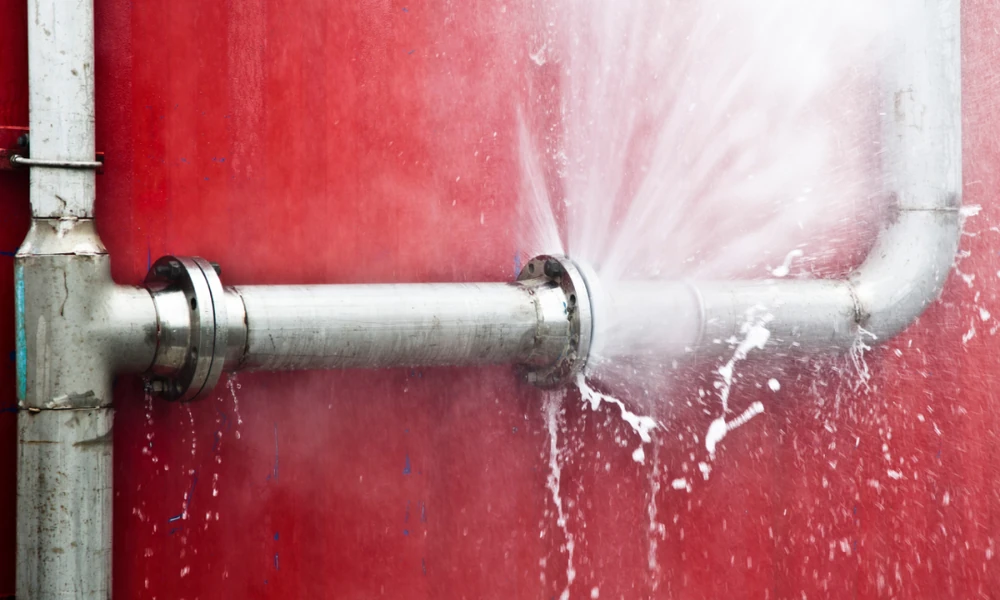
Then there is the sound that should never happen at all. A faint hiss or trickle when every tap is off means water is moving somewhere it should not be.
Clues You Can Spot Without Tools
Your eyes catch the slower problems, the ones that build over months.
Yellow or brown rings on a ceiling below a bathroom usually trace back to a failing wax ring under a toilet, a cracked shower pan or worn grout letting water seep through. Bubbling paint, warped baseboards and a floor that feels slightly soft near the toilet all tell the same story from different angles.
The water itself can be revealing too. Rusty or reddish water from the cold tap often signals corroding galvanized steel pipe, which was common in homes built before the 1960s. If the rust shows up only in hot water, the water heater tank is the more likely source. Blue-green stains around fixtures suggest copper pipes are corroding, often because the water is slightly acidic, and that slow corrosion is what eventually produces pinhole leaks.
Look at the base of your water heater as well. Moisture, rust streaks or a damp drain pan are worth attention even if the unit is still producing plenty of hot water.
When the Nose Notices First
Smells are easy to ignore because they come and go, but each one has a fairly reliable meaning.
A sewer odor in a bathroom you rarely use is usually a dry trap. The curved section of pipe under every drain holds water that blocks sewer gas, and that water evaporates in guest baths and basement floor drains. Running the tap for a minute often solves it. If the smell keeps returning in a room you use daily, a broken toilet seal or cracked vent pipe is more likely.
A rotten egg smell that appears only from the hot side has a different cause. Sulfate-reducing bacteria in the water react with the magnesium anode rod inside the water heater and release hydrogen sulfide. Swapping that rod for an aluminum and zinc version often clears it up.
A musty, damp smell inside a vanity or kitchen sink cabinet tends to mean a slow drip from a supply line, drain joint or garbage disposal that has been wetting the cabinet floor for a while.
The Meter Never Lies
Some leaks are completely silent and hidden. A toilet flapper that seeps a little at a time or a supply line dripping inside a wall will not make itself known through sight or sound. Your water meter will catch it, though, and testing takes almost no effort.
- Turn off every faucet, appliance and irrigation system so nothing in the house is using water.
- Find the meter, usually in a ground box near the street or on the lowest level of the house, and note the reading along with the position of the small leak indicator dial.
- Wait two hours without running any water, then check again.
- If the numbers changed or the indicator moved, water is escaping somewhere.
Toilets are the usual suspects, and a few drops of food coloring in the tank will show you within about 15 minutes whether the flapper is leaking into the bowl. The Alliance for Water Efficiency walks through how to check for household leaks, including the toilet dye test and the difference between leaks you are responsible for and those that belong to the water utility.
Pressure and Temperature as Vital Signs
How water feels when it comes out of the tap says a lot about the system behind it.
Weak flow from one fixture is usually just a clogged aerator or showerhead full of mineral buildup. Weak flow everywhere is more serious and can point to a failing pressure reducing valve, a partially closed main shutoff or old pipes narrowing from the inside with corrosion.
Pressure that is too high causes its own quiet damage. Household pressure usually sits comfortably between 40 and 60 psi, and plumbing codes generally require a reducing valve when it runs above 80. A simple gauge that threads onto a hose bib costs very little and tells you exactly where your home stands. Constant high pressure wears out toilet fill valves, appliance hoses and water heater relief valves well ahead of schedule.
If the hot water runs out faster than it used to, sediment may be taking up space in the tank or the dip tube that carries cold water to the bottom may have cracked. Temperatures that swing in the middle of a shower often point to a worn mixing valve.
Sorting Urgent From Everyday
Not every symptom needs a same-day visit, and knowing the difference saves money as well as stress.
Anything involving active water where it should not be belongs at the top of the list. A spreading ceiling stain, water pooling around the heater, sewage coming up through a floor drain or a tub filling when the washing machine empties all call for prompt help. That last one in particular suggests a blockage in the main sewer line, and every fixture in the house drains toward it.
Persistent smells, a meter that moves overnight, discolored water and steadily dropping pressure fall into the soon category. They rarely cause a disaster tomorrow, yet they rarely improve on their own.
Mild water hammer, a dripping faucet and a slow single drain can usually wait for a convenient appointment, as long as you actually make one. Small issues have a way of becoming normal background noise, and that is precisely how a cheap fix grows into a costly one.
Spending a few minutes each season listening, looking and checking the meter costs nothing. It also means that when you do call a plumber, you can describe the problem clearly, which tends to shorten the visit and the bill along with it.