
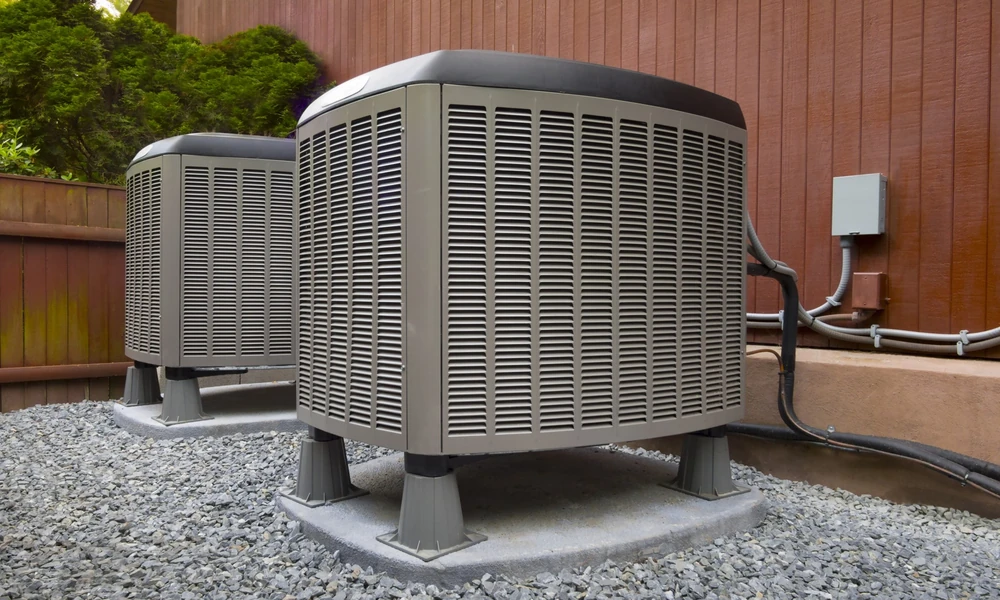
Every year, thousands of snowbirds, second home owners and vacation rental hosts along the Grand Strand lock the door and head elsewhere for weeks or months. Most remember to empty the fridge and cancel the newspaper. Far fewer think about what the heating and cooling system will go through while nobody is home. If you want a trusted Myrtle Beach HVAC contractor to look over your equipment before you leave, Myrtle Beach HVAC contractor services can help you avoid the unpleasant surprises that often greet owners on their return.
What Actually Happens in an Empty House
An empty home is not a neutral environment. Coastal air is humid even in cooler months, and without people cooking, showering and opening doors, moisture has nowhere to go. If the system is switched off completely, indoor humidity can climb quickly. Closets turn musty, wood floors cup, and mold can find a foothold in as little as a few weeks.
On the other extreme, leaving the AC running at your usual setting wastes energy cooling rooms nobody uses. The goal is a middle path, and it starts before you leave.
The Departure Plan
Think of this as a timeline rather than a checklist you rush through on the last morning.
Two to three weeks before you leave: service and inspection
Book a tune-up now, not the day before your flight. A technician can check refrigerant levels, clean the coil, flush the condensate drain line and test the electrical connections. A clogged drain line is one of the most common causes of water damage in unoccupied homes, because the overflow has no one to notice it.
One week before: swap the filter and test the thermostat
Install a fresh filter so the system is not breathing through months of dust. If you have a smart or programmable thermostat, confirm it is connected to Wi-Fi and that you can adjust it from your phone. This single feature gives you far more control than an old manual dial.
Departure day: set it and secure it
Choose a setpoint that balances energy savings with moisture control. Many homeowners in humid regions aim for around 78 to 82 degrees in summer and avoid turning the system off entirely. Keep the fan on automatic, close blinds on sun-facing windows, and make sure supply vents and return grilles are open so air can circulate through the whole house.
While You Are Away
A little remote attention goes a long way.
- Check your thermostat app weekly to confirm the system is running as expected
- Ask a neighbor or property manager to walk through monthly and look for damp smells, drips or stuffy rooms
- Consider a Wi-Fi humidity sensor that alerts you if moisture climbs too high
- Keep one eye on the forecast, since a power outage during a storm can leave the house sealed and sweltering
Special Notes for Rental Owners
If your property hosts guests, vacancy gaps between bookings create the same risks in miniature. Set the thermostat back during empty stretches, but program it to return to a comfortable temperature a few hours before check-in so guests arrive to a fresh, cool home instead of a damp one. Replace filters more often than a typical household would, since turnover brings extra dust, pet hair and heavy system use during peak weeks.
Why Moisture Is the Real Enemy
Closed-up homes in warm, humid climates are classic settings for mold growth. The U.S. Environmental Protection Agency explains that controlling moisture is the key to preventing mold indoors, and its guidance on keeping humidity in check is worth a read before a long absence. Your HVAC system is your first line of defense, which is exactly why shutting it off for the season is rarely a good idea in coastal Carolina.
Coming Home: The Return Routine
When you walk back in, resist the urge to crank the thermostat to its lowest setting. Instead:
- Open the door and let fresh air in briefly, then close up again
- Lower the temperature gradually to your normal setting
- Replace the filter if the house has been closed for more than a couple of months
- Look under the indoor unit and around the drain pan for water or stains
- Listen for unusual noises when the system starts, such as rattling, squealing or clicking
- Sniff for musty or burnt odors in the first few hours
If anything seems off, call for service early rather than waiting until the next heat wave exposes the problem.
Smart Upgrades Worth Considering
If you spend long periods away, a few additions can make life easier. A smart thermostat with humidity sensing allows tighter control. A whole-home dehumidifier works alongside your AC to keep moisture steady without overcooling. Surge protection for the outdoor unit helps guard against the power fluctuations that come with coastal thunderstorms.
Final Thoughts
Leaving a home empty should feel like a relief, not a gamble. A little planning, a professional tune-up and a smart approach to humidity can mean the difference between returning to a fresh, comfortable house and walking into a musty one with a repair bill waiting. Treat your HVAC system as part of your departure routine, and your home will be ready whenever you are.