
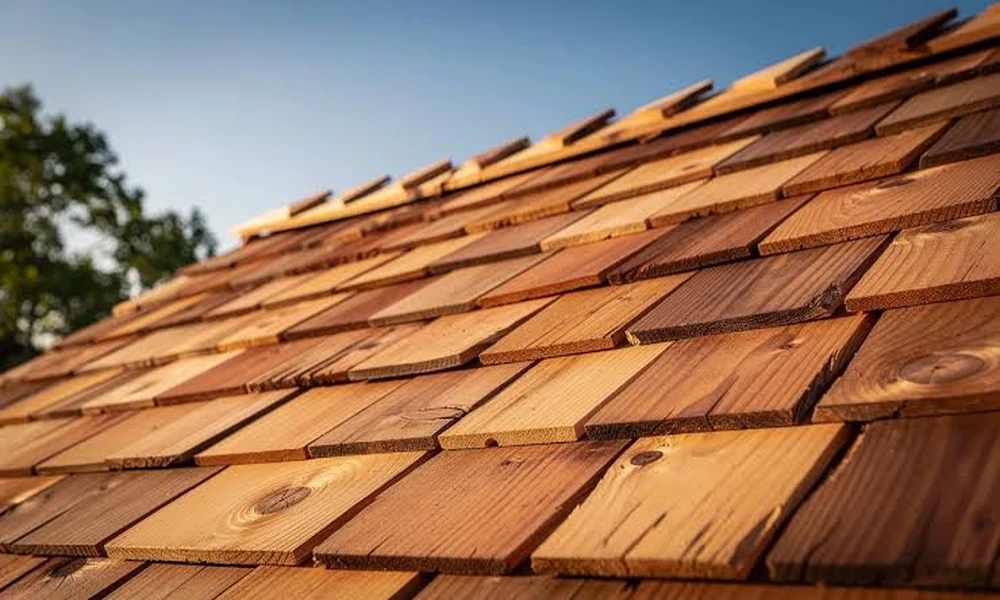
Drive through Houghton, Rose Hill or the older streets above Juanita Bay and you will still see plenty of hand split cedar on the rooftops. Many of those roofs went on in the 1980s and early 1990s, when shakes were the default for a nice Eastside house. They looked rich and rustic when new. Thirty or more wet winters later, a lot of them look tired, green and patchy, and their owners are trying to figure out what comes next.
That question is harder than it sounds. A worn shake roof is not simply swapped for another product of the same shape. The wood, the decking beneath it and even the way the attic breathes were all designed around cedar, so changing materials means changing more than the top layer.
The team behind ca-roofing.com, a roofing company in Kirkland that has been reroofing Eastside homes since 2009, counts aging cedar shake replacements among its regular projects, and those jobs show clearly why the decision deserves some homework. What follows walks through how a shake roof wears out, the paths open to you afterward and the surprises that tend to show up once the old wood comes off.
How Cedar Gives Up Its Ground
Cedar does not fail all at once. It wears down in stages, and each stage tells you how much time is left.
- Graying and surface erosion. Within a year or so, new cedar turns silver. Over the following decades the softer wood between growth rings wears away faster than the harder bands, leaving a ridged, washboard texture. This is cosmetic for a long time.
- Cupping, curling and splitting. Repeated wetting and drying makes shakes shrink and cup. Cracks appear, and once a split lines up with the gap in the course below, water has a direct path to the underlayment.
- Moss and debris buildup. Moss settles first on the thick butt ends of each shake and traps needles and soil behind it. The roof then stays wet for days after every rain instead of drying out.
- Hidden decay. The real damage happens where shakes overlap. Decay fungi thrive in that damp, shaded pocket, so a roof can look passable from the street while the wood underneath turns soft.
- Missing pieces and active leaks. By this point shakes slip or blow off in windstorms, and water stains appear on ceilings or in the attic.
Shade speeds up every one of those steps. A roof under tall Douglas firs on the north side of a lot can age twice as fast as one baking in open sun across the street. Oregon State University’s extension guide on caring for wood shingle and shake roofs explains how moss, decay fungi and overhanging trees shorten roof life, and it is worth reading before you decide whether cleaning and treatment still make sense or the roof is simply done.
Three Roads Away From Worn Wood
Once a shake roof crosses into the hidden decay stage, maintenance usually stops being a good investment. Homeowners generally pick one of three directions.
Staying with cedar is the choice for people who love the look and live in neighborhoods where it fits the architecture. New shakes can be pressure treated for fire resistance and installed over modern underlayment. The trade off is ongoing care. Cedar wants regular cleaning, moss control and an eye kept on the shady slopes, and premiums from some insurers run higher for wood roofs.
Architectural asphalt shingles are the most common replacement on the Eastside. Laminated shingles carry a thicker, dimensional profile that softens the jump from shakes, they are rated Class A for fire, and they cost noticeably less than either cedar or metal. Choosing a shingle with algae resistant granules matters here, because the same damp climate that grew moss on the cedar will try again on asphalt.
Standing seam metal sits at the top of the price range and the bottom of the maintenance range. Steel panels shed rain and needles quickly, give moss very little to grip and can last for decades. Metal also changes the character of a house more than shingles do, which some owners love and some HOAs regulate, so checking your community’s rules early saves a painful redesign.
What Hides Under the Old Shakes
This is where the conversion gets real. Shake roofs were traditionally laid over spaced boards, often called skip sheathing, with gaps between them so the wood could breathe from below. Asphalt shingles and most metal systems need a continuous, solid deck. That usually means installing plywood or OSB over the existing boards, or removing them, before anything else can happen.
A full tear off tends to expose other conditions too.
- Rotted rafter tails and fascia along the eaves, where water sat behind gutters for years.
- Brittle or missing felt underlayment that was holding back far less water than anyone assumed.
- Chimney and wall flashing that was simply nailed through and sealed with roof cement.
- Attic ventilation that worked with breathable cedar but falls short under a solid deck, which calls for new ridge and soffit vents to keep moisture from condensing.
- Old skylights whose curbs and flashing no longer match a new roof surface.
None of this is unusual, yet it explains why two quotes for the “same” replacement can differ so widely. A solid estimate should state whether new sheathing is included, how damaged wood will be priced if found, and what ventilation and flashing work is part of the job. Asking for photos of the existing deck from the attic side helps you compare bids honestly.
Living With the Decision for Decades
Timing deserves some thought as well. Late spring through early fall gives crews the longest dry stretches, which matters when a roof is open down to bare boards. Booking an inspection over the winter, while leaks are fresh and visible, gives you time to compare options and line up a summer start.
It also helps to look beyond the roof itself. Trimming branches that overhang the house will extend the life of any new material, not only cedar. Replacing gutters at the same time avoids hanging new ones on rotten fascia later. If solar is anywhere in your future, planning attachment points now is far easier than retrofitting them through a brand new surface.
Walking away from cedar can feel like losing part of a house’s personality, and for some homes staying with wood is still the right call. For many others, the move to a solid deck and a lower maintenance surface ends the cycle of yearly moss treatments and patched leaks. Whichever direction you choose, the best outcome comes from understanding what sits underneath the shakes before the first one is pulled off.