
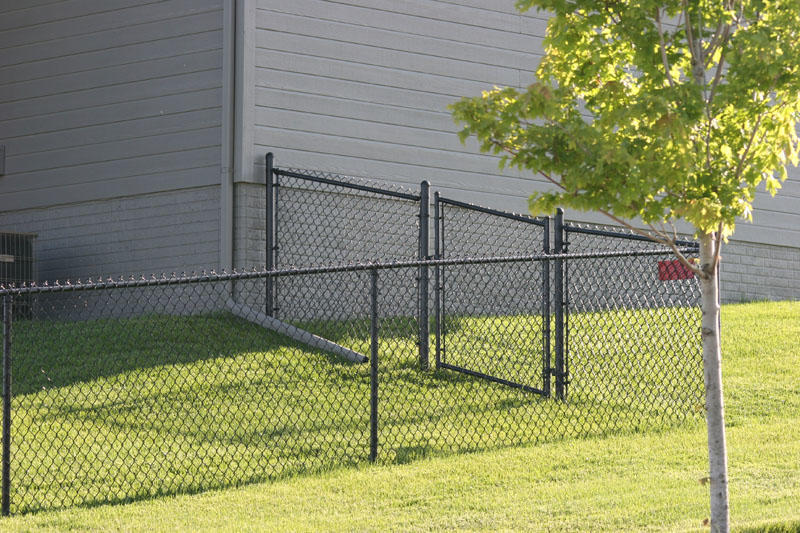
Chain link fencing has a reputation for being practical, but in residential neighborhoods, it’s also a smart budget decision. Homeowners need barriers that keep kids and pets safe, withstand weather and wear, and require little upkeep—and that’s where chain link shines.
It’s typically faster to install than many alternatives, costs less upfront, and stays reliable for years with minimal maintenance. With modern finishes—like black or green vinyl coating—and privacy add-ons, today’s chain link fencing has moved far beyond the old “utility” look.
This article explains why chain link remains cost-effective, how it performs in busy residential areas, which customization options enhance curb appeal, and how it compares to wood and aluminum for everyday use.
For more insights on fencing types, durability, and design options, See details.
Why chain link remains a cost-effective fencing option
Upfront savings that actually last
For homeowners comparing bids, Chain Link Fencing generally offers one of the lowest installed costs per linear foot for a durable perimeter. Pricing varies by region and height, but galvanized chain link often comes in below wood and well below ornamental aluminum. Two key reasons keep costs down: materials are efficient (wire mesh and tubular steel posts) and installation is streamlined (fewer cuts, faster setting, less finishing).
Lifetime value, not just the sticker price
Affordability isn’t only about day-one cost. Chain link rarely needs painting or staining, and it resists pests and rot by design, there’s nothing to peel, flake, or warp. Over 10–20 years, homeowners typically spend less on upkeep than with comparable wood installations. Vinyl-coated chain link can stretch that timeline further by shielding the steel and preserving appearance.
Where the savings show up
- Faster install reduces labor hours, especially on level lots.
- No recurring stain/paint purchases, even in sunny or wet climates.
- Simple repairs: replace a damaged section of mesh or a bent rail without tearing out full panels.
- Lighter materials can lower delivery and handling costs.
Budget-friendly versatility
Whether fencing a modest side yard or a full corner lot, chain link scales cleanly. It’s available in multiple heights, gauges, and coatings, so owners can prioritize cost, aesthetics, or longevity, without jumping to a different fence type. For landlords and HOAs balancing reliability with budget, that flexibility is hard to beat.
Durability advantages for busy residential areas
Built for daily wear and real weather
Chain link fencing is engineered to take hits, from soccer balls to lawn equipment, without cracking or splintering. The open-weave design also sheds wind loads more effectively than solid panels, reducing stress on posts during storms. In rainy or coastal areas, galvanized steel helps resist corrosion: opt for thicker wire (lower gauge numbers) and high-quality galvanization to maximize lifespan.
Kid-, pet-, and traffic-friendly
In densely populated neighborhoods, fences see more contact. Chain link maintains form even with repeated leaning or climbing attempts by overexcited pets. Gates can be outfitted with self-closing hinges and secure latches for pool safety and everyday convenience, and mesh sizes can be chosen to reduce footholds where local codes require.
Predictable performance, fewer surprises
Because it’s a straightforward system, posts, rails, and mesh, there are fewer failure points. If a snowplow nudges a corner or a falling limb kinks a section, repairs are usually targeted and affordable. And unlike wood, chain link won’t absorb moisture, split, or invite termites. Many homeowners see 15–25+ years of service from a well-installed galvanized system, longer for vinyl-coated mesh with quality hardware.
Vinyl coating and other customization possibilities
Color options that blend in, or stand out
Modern vinyl-coated chain link transforms the traditional metallic look. Black and green are the most popular colors for residential properties because they visually recede against landscaping. Brown can complement cedar accents or earthy palettes. The coating not only elevates curb appeal but also adds a protective layer that helps mitigate rust at cut ends and connections.
Privacy and screening add-ons
If a backyard needs more seclusion, homeowners can add:
- Privacy slats: Available in colors and patterns, they weave through the mesh and can offer roughly 70–90% visual blockage depending on design.
- Windscreens/fabric panels: Great along busy streets or for short-term privacy during projects: they also reduce dust and wind.
- Climbing plants: Chain link is a natural trellis for jasmine, ivy, or climbing roses, softening the look over time.
Hardware, height, and mesh choices
- Height: Common residential heights are 4, 5, and 6 feet: pool codes often require at least 4 feet with self-closing, self-latching gates. Always check local regulations.
- Gauge and diamond size: Thicker wire (e.g., 9-gauge) and smaller diamonds improve strength and security. Lighter gauges can save cost in low-impact areas.
- Framework: Top rails, bottom tension wire, or a bottom rail can reduce sagging and keep pets from pushing out beneath the fence.
- Gates: Single swing, double drive, and cantilever gates can be matched to the fence finish: add decorative caps or matching powder-coated posts for a polished look.
Little details, big difference
Finishing touches, like black powder-coated posts with black vinyl-coated mesh, create a cohesive style that blends with modern exteriors. Knuckle-knuckle selvage (smooth top/bottom wire ends) is often preferred in residential settings for safety and a cleaner line.
Comparing chain link with wood and aluminum alternatives
Cost, privacy, maintenance, and more
Homeowners usually cross-shop chain link, wood privacy fencing, and aluminum ornamental. Each solves a different problem best.
FactorChain Link FencingWood PrivacyAluminum OrnamentalTypical cost (installed)LowerModerateHigherPrivacyLow by default: add slats/screensHighLow to moderateMaintenanceVery lowRegular staining/repairsVery lowLifespan15–25+ years (vinyl-coated longer)10–20 years (with care)20–30+ yearsWind handlingExcellent (open weave)Can act like a sailGoodSecurityStrong: options for smaller meshSolid panels deter climbingRigid, climb-resistant designsAestheticsClean/utility to contemporaryWarm, classicElegant, upscale
When chain link wins
- Budget-conscious projects that still demand durability.
- Pet containment where visibility matters (seeing out reduces stress for some dogs).
- Corner or large lots where wind and maintenance are big concerns.
- Areas needing code-compliant pool barriers with minimal upkeep.
When wood or aluminum may fit better
- Wood: Best for immediate privacy and a traditional look. It suits patios and yards where an outdoor room feel is the goal, with the tradeoff of periodic staining and possible board replacement.
- Aluminum: Excellent for high-end curb appeal and corrosion resistance, especially near coastal environments. It provides an elegant, see-through boundary but typically at a higher price point.
The takeaway: chain link fencing covers the widest range of practical needs at the lowest cost. With vinyl coating and add-ons, it can also meet aesthetic standards that used to require pricier systems.