
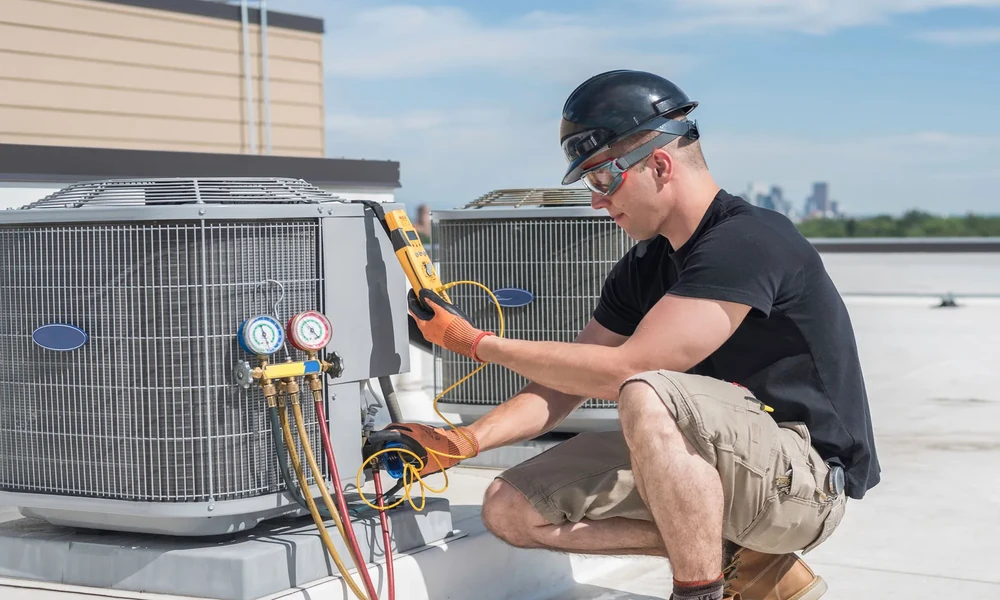
Facility managers face ongoing pressure to keep commercial buildings comfortable while controlling energy costs and meeting operational demands. Heating often represents one of the largest portions of a building’s energy use, so choosing and maintaining efficient systems matters for both budgets and occupant comfort.
Selecting the right approach requires understanding available technologies, building needs, and long-term performance. Facility managers in colder regions often turn to commercial heating services in Chicagoland for guidance on system evaluation, upgrades, and reliable operation that aligns with local climate demands.
Why Energy Efficiency Matters in Commercial Heating
Older heating systems can waste energy through short cycling, uneven distribution, or outdated components. Modern options focus on matching heat output more closely to actual demand, recovering heat that would otherwise be lost, and allowing better control by zone or schedule.
Efficiency improves when systems respond to real-time conditions rather than running at full capacity constantly. This reduces strain on equipment, lowers utility expenses over time, and supports more consistent indoor temperatures. Facility managers who prioritize efficiency also gain greater flexibility when planning for future building changes or occupancy shifts.
Common Types of Energy-Efficient Commercial Heating Systems
Several technologies stand out for commercial applications. High-efficiency condensing boilers extract more heat from the same fuel by cooling exhaust gases and recovering latent heat. These units work well in buildings already connected to natural gas infrastructure.
Heat pumps transfer heat rather than generate it through combustion. Air-source models pull heat from outdoor air, while ground-source systems use stable underground temperatures. Both can deliver heating and, in many cases, cooling from the same equipment. Variable refrigerant flow (VRF) systems modulate refrigerant to individual zones, allowing simultaneous heating and cooling in different areas of a building with minimal duct losses.
Radiant systems warm surfaces or people directly through hydronic tubing or infrared units. They suit high-ceiling spaces such as warehouses or workshops where forced-air systems struggle with stratification. Hybrid setups combine heat pumps with boilers so the more efficient option handles the majority of the load while the boiler covers peak demand or extreme cold.
Each option performs best under specific conditions. The right choice depends on building size, existing infrastructure, insulation levels, and local climate.
Key Factors Facility Managers Should Evaluate
Before committing to a new system or major upgrade, several practical considerations help narrow the field.
- Building characteristics: Ceiling height, insulation quality, window area, and occupancy patterns determine how heat is needed and retained. Open industrial spaces often benefit from radiant heat, while multi-zone offices favor VRF or heat pumps with good controls.
- Existing infrastructure: Ductwork, piping, electrical capacity, and available outdoor space influence installation feasibility and cost. Retrofitting a ground-source system may require land access that a rooftop unit does not.
- Load profile and controls: Systems that modulate output or respond to occupancy sensors avoid wasting energy on empty areas. Integration with a building management system improves scheduling and monitoring.
- Maintenance requirements and service life: Some technologies need more frequent filter changes or specialized technicians. Reliable access to parts and trained service providers affects long-term reliability.
- Climate and peak demand: In regions with prolonged cold weather, systems must maintain capacity when outdoor temperatures drop. Hybrid designs or properly sized backup heat address this without sacrificing average efficiency.
A professional load calculation and site assessment remain essential. Guessing capacity leads to oversized equipment that cycles inefficiently or undersized units that struggle during extreme conditions.
Practical Steps to Improve Heating Performance
Even without a full system replacement, facility managers can take concrete actions. Regular maintenance keeps existing equipment operating closer to its design efficiency. Cleaning heat exchangers, checking combustion settings, verifying airflow, and replacing worn components prevent gradual performance decline.
Upgrading controls and zoning often delivers noticeable gains at lower cost than new hardware. Programmable thermostats, occupancy sensors, and outdoor-air reset strategies reduce runtime during unoccupied hours. Sealing ducts and improving insulation around the building envelope further cut losses.
When replacement becomes necessary, request clear comparisons of lifecycle costs rather than focusing solely on purchase price. Factor in expected energy use, maintenance, and potential incentives available through local utilities or energy programs. Document current energy consumption so future performance can be measured against a baseline.
When to Seek Professional Guidance
Complex decisions benefit from experienced evaluation. Facility managers should involve qualified technicians when systems show rising energy use, uneven temperatures, frequent breakdowns, or when planning renovations that alter heating loads. Professional advice helps match technology to the specific building rather than applying generic solutions.
Independent assessment of options, proper sizing, and integration with existing controls reduce the risk of costly mismatches. Ongoing service agreements also support preventive maintenance that extends equipment life and protects efficiency gains.
Wrapping Up
Energy-efficient commercial heating systems help facility managers control costs, maintain comfort, and support reliable building operations. Understanding available technologies, matching them to specific building conditions, and focusing on proper sizing, controls, and maintenance form the foundation of sound decisions.
Start with a clear assessment of current performance and future needs, then evaluate options based on real operating conditions rather than ratings alone. Professional guidance ensures the chosen approach delivers consistent results over the long term.