
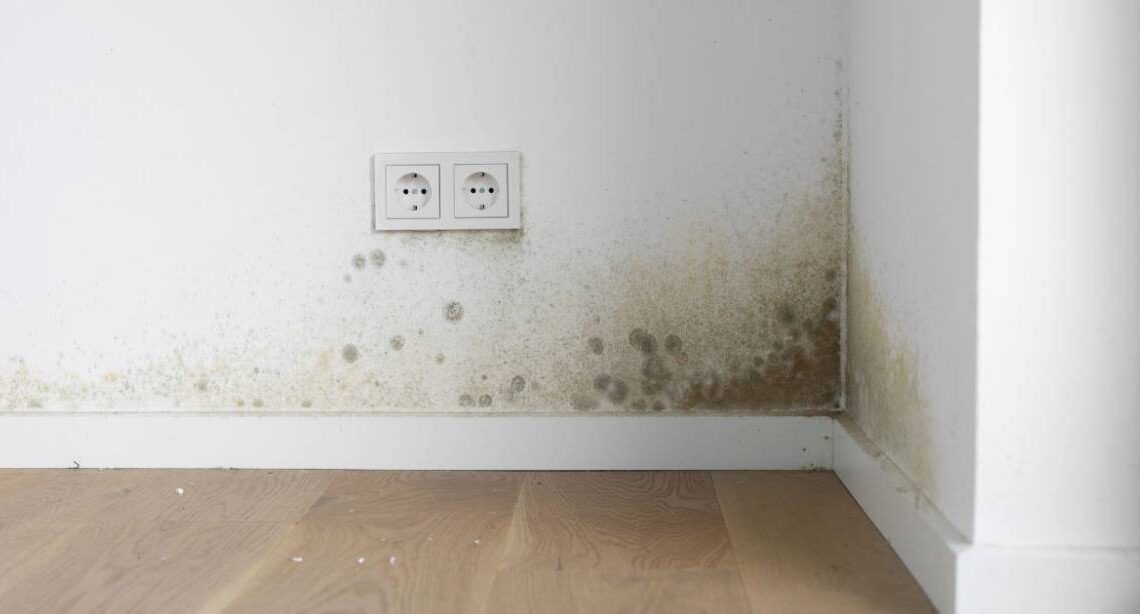
Mould and minute bugs such as mould mites can thrive secretly within your house unnoticed by you initially. These minute organisms are commonly found in moist environments where mould exists. Damp places with mould provide suitable habitats for these tiny organisms. The tiny creatures exhibit annoying behavior because they create problems which require home inspection to resolve. In this blog we will teaches how to get rid of mould mites and assessment methods and proper handling procedures for it.
What Are Mould Mites?
Mould mites are tiny insects that survive by consuming mould. The insects prefer to live in environments that contain elevated moisture and humidity levels. The insects exist in their environment but can be detected through their presence which shows itself as:
– Small white or light-colored moving specks.
– Musty odor in the room
– Moist surfaces with mould growth
Unlike other insects, they do not pose any danger to humans, although some people could develop allergies to them.
Why Do Mould Mites Appear?
Mould mites do not occur independently. They will be attracted to places that have a lot of mould. Thus, if you have mould, then you may have mould mites.
Causes may include:
- High moisture content
- Water leakage
- Poor ventilation
- Dampness of walls/ceiling
- Moisture in carpets/furniture
Therefore, if you want to understand the process of eliminating mould mites, then you will need to address the issue of mould first.
Signs You Have Mould Mites
Here are some simple signs to look for:
- Dust-like particles moving on surfaces
- More allergy symptoms such as sneezing or itching
- Mould spots in corners or on walls
- Strong odor of damp or mustiness
If you see these indicators, it is essential to act swiftly.
Step 1: Find the Source of Moisture
The first and most critical step is to locate the source of the moisture. The key need for the existence of mould and mould mites is the presence of moisture.
Check for:
- Leaking pipes
- Roof damage
- Condensation on windows
- Poor airflow in bathrooms and kitchens
Fixing these issues will stop the problem from growing further.
Step 2: Remove Mould Properly
The reason why mould mites eat moulds means that eliminating the moulds would be the most effective strategy.
These include:
- Cleaning smaller surfaces using an anti-mould spray
- The process of cleaning small areas requires the application of anti-mould spray.
- The use of vinegar and baking soda for cleaning should be done with small quantities.
- Workers need to use safety equipment which includes gloves and face masks.
The most effective solution for serious mould situations requires professional assistance from mould removal experts.
Step 3: Clean and Vacuum Regularly
Vacuuming can be beneficial when eliminating mould mites and their eggs.
Recommendation:
- A vacuum with a HEPA filter must be utilized
- The carpet, corners, and furniture need to be cleaned
- Disposal of vacuum bags is important
Step 4: Reduce Humidity Levels
Humidity regulation is quite important.
You may:
- Run a dehumidifier
- Open windows for ventilation
- Install exhaust fans in the bathroom and kitchen.
- To avoid the growth of mould, keep the humidity level below 60%.
Step 5: Wash Affected Items
Wash items that may have mould mites on them.
These include:
- Curtains
- Bedsheets
- Clothes
- Cushions
- Use hot water if possible, as it helps kill mites and remove spores.
Step 6: Use Professional Help When Needed
The problem can be larger than you see. Mould can form in walls or other areas that are difficult to access.
A mould remediating professional can:
- Properly inspect your home
- Identify any hidden mould
- Apply safe and effective treatments
- Prevent recurrence
This is particularly critical if the issue is recurring.
Step 7: Keep Your Home Dry and Clean
Prevention is better than cure.
Easy habits:
- Quickly fix leaks
- Dry wet surfaces
- Ventilate rooms
- Do not dry clothes indoors without air flow
“Such little things can go a long way.”
Health Effects of Mould Mites
Despite their small size, mould mites may have an impact on your health.
Potential issues include:
- Irritation to skin
- Coughing and sneezing
- Respiratory issues
- Allergic reactions
- Infants and older adults are more vulnerable, so immediate action should be taken.
Common Mistakes to Avoid
Many people try to fix the problem but make simple mistakes:
- Only clean visible mould
- Ignoring moisture issues
- Not improving ventilation
- Using regular cleaners instead of anti-mould products
These mistakes can cause the problem to return.
Why Professional Treatment Works Better
DIY approaches may help in modest cases, but they are not always sufficient.
A qualified mould remediation expert knows:
- How mould spreads
- Where to find hidden growth
- How to remove it safely
- How to stop it from coming back
This ensures long-term results instead of temporary fixes.
Final Thoughts
Mould mites are such tiny pests, but obviously there are bigger problems present in your home. These issues can have dire implications for you down the line. Knowing how to get rid of these mould mites can be useful giving you the necessary knowledge to deal with this scenario.
To successfully get rid of these mould mites and prevent any future issues from occurring, it is vital that you seek advice from the most competent specialists in the market. The Mouldmen are highly skilled and competent in dealing with all kinds of mould problems. With the assistance of an expert in mould removal, we guarantee that your home remains clean and free of any mould mites.