
When you’re building a new home, purchasing rural land, or renovating an older property, one of the most important decisions you’ll make has nothing to do with countertops or flooring. It has everything to do with what happens beneath your feet. Choosing between a septic installation and a municipal sewer connection is a decision that affects your property’s functionality, your long-term costs, and yes, your daily life, for decades to come.
If you’re not sure which option is right for your situation, you’re not alone. Most homeowners don’t think much about wastewater management until they have to. This guide breaks down both options clearly so you can make a confident, informed decision.
Understanding the Two Options
Before you can choose, you need to know what you’re comparing.
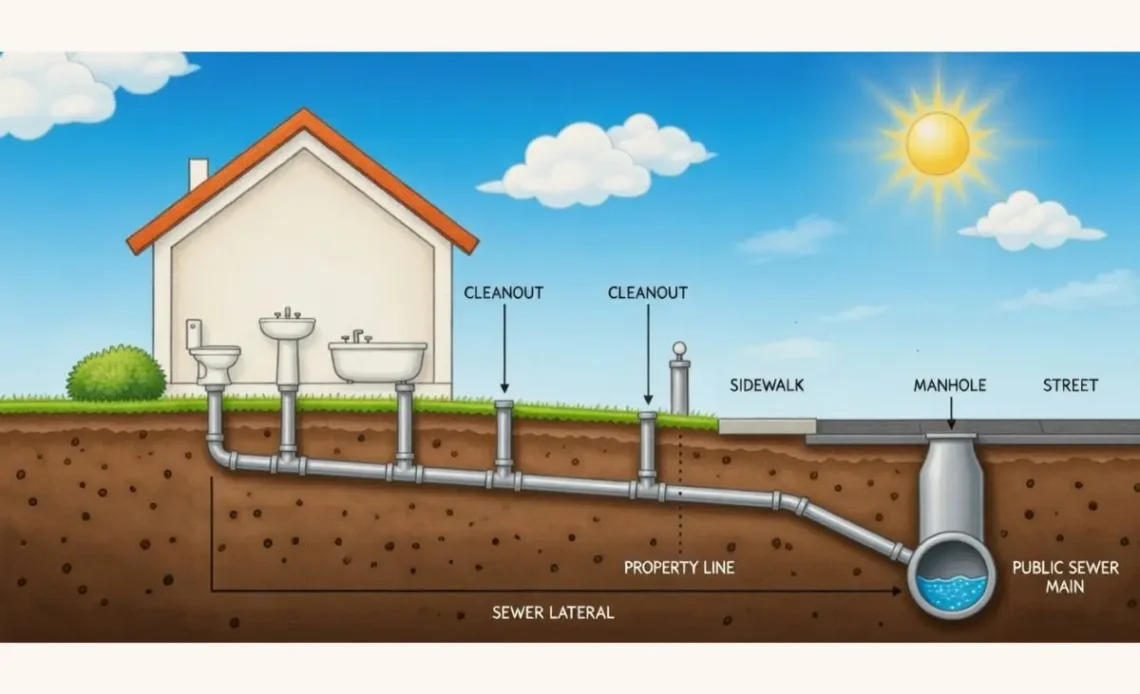
A municipal sewer connection ties your home’s plumbing into a shared, publicly managed wastewater system. Your household waste travels through underground pipes to a centralized treatment facility. You pay a monthly or quarterly utility fee, and the infrastructure is largely maintained by the municipality.
A private septic system is a self-contained, on-property wastewater treatment system. Waste from your home flows into a buried tank, where solids settle and liquids are treated before slowly dispersing through a drain field (also called a leach field) into the surrounding soil. You own and maintain the system yourself.
Both are effective, time-tested solutions. The right one for your property depends on several key factors.
Factor 1: Location and Availability
This is often the deciding factor, and for many homeowners, it removes the choice entirely.
Municipal sewer lines don’t reach everywhere. If your property is in a rural area, on a large lot, or outside city or township limits, a sewer connection simply may not be available to you. In that case, a private septic system isn’t just an option, it’s your only option.
If sewer service is available, connecting to it usually requires paying a connection fee, sometimes a significant one, plus the cost of running a line from your property to the municipal system. Depending on the distance and terrain, that can be a substantial upfront investment.
What to do: Contact your local municipality or county planning office to find out whether sewer service is available at your address and what the connection fees look like. That one phone call can quickly narrow your options.
Factor 2: Upfront Costs
Sewer connections and septic installations both carry upfront costs, but they look very different.
Municipal sewer connection costs vary widely depending on your location and how far your property sits from the nearest sewer main. Connection fees alone can range from a few hundred dollars to several thousand. If infrastructure work is needed, such as trenching and pipe runs, costs can climb higher.
Septic system installation costs depend on the size of the system, the type of system required, and your soil conditions. A conventional system for an average-sized home generally runs anywhere from $5,000 to $15,000 or more, with more complex systems (like mound systems or aerobic systems required by certain soil types) costing more. You’ll also need a percolation test (perc test) to evaluate whether your soil can handle a drain field before installation can begin.
Neither option is cheap, but for properties in areas without sewer access, the comparison is less about cost and more about planning correctly from the start.
Factor 3: Long-Term Costs and Maintenance
Here’s where the two options really diverge.
With a sewer connection, your ongoing responsibility is minimal. You pay your utility bill, you don’t flush things you shouldn’t, and the municipality handles the rest. There’s no pumping schedule to manage, no tank to monitor, and no drain field to protect.
With a private septic system, you take on the responsibility of ownership. That means:
- Scheduling routine septic tank cleaning every 3 to 5 years (frequency depends on household size and usage)
- Protecting the drain field from damage (no heavy vehicles, no deep-rooted plants overhead)
- Being mindful of what goes down your drains (harsh chemicals, excessive grease, and non-biodegradable materials can disrupt the system’s natural processes)
- Arranging periodic inspections to catch any issues early
That said, a well-maintained septic system can serve a home reliably for 25 to 40 years or more. The key word is maintained. Homeowners who stay proactive with their system tend to avoid the kinds of costly surprises that give septic systems an undeserved reputation.
Think of it this way: owning a septic system is a lot like owning a car. You can ignore maintenance and eventually face an expensive repair, or you can stay on top of it and enjoy years of reliable service.
Factor 4: Soil Conditions and Land Requirements
This is a critical factor that trips up many first-time property buyers, especially those purchasing rural land for the first time.
Private septic systems depend on your soil to complete the treatment process. Not all soil is suitable. If the soil is too dense (high clay content), too rocky, or too close to the water table, a conventional drain field may not be feasible. In those cases, you may need an alternative system, such as a mound system or a drip irrigation system, which can add complexity and cost.
A perc test (short for percolation test) evaluates how quickly water moves through the soil on your property. This test is typically required before any septic installation can be permitted. If your land fails a perc test, you won’t be able to install a conventional system without modifications.
If you’re buying land with the intent to build, never assume a septic system is feasible until a perc test confirms it. This is especially important for heavily wooded lots, properties near wetlands, and land with significant elevation changes.
Factor 5: Property Size and Future Plans
The size of your property and your long-term plans matter more than most people realize.
Septic systems require a dedicated footprint, including the tank location, the drain field, and a repair area (a reserved section of land set aside in case the drain field ever needs to be expanded or replaced). On a smaller lot, fitting all of this within setback requirements from wells, property lines, and structures can be a challenge.
If you’re planning an addition, an accessory dwelling unit, or an increase in the number of bedrooms, you may also need to evaluate whether your existing or planned septic system is sized appropriately. More bedrooms generally means more occupants, which means more wastewater load on the system.
With a sewer connection, scaling up is typically as simple as expanding the plumbing inside your home. The municipal system handles the rest.
Factor 6: Resale Value and Buyer Perception
It’s worth mentioning how each option plays in the real estate market.
In urban and suburban areas, buyers often prefer a sewer connection because it comes with less perceived responsibility. In rural markets, however, a properly maintained septic system is completely standard and doesn’t carry any negative stigma among experienced buyers.
What matters most to future buyers is documentation. If you have records of regular inspections, pumping history, and any repairs, that goes a long way toward building buyer confidence. A system with a clear maintenance history is an asset, not a liability.
Making the Decision: A Simple Framework
Still not sure where you land? Use this quick checklist:
Consider a sewer connection if:
- Municipal sewer service is available at your address
- Your lot is small or has limited space for a drain field
- You prefer minimal long-term maintenance responsibility
- The connection fee is reasonable relative to the cost of a septic system
Consider a septic system if:
- Sewer service is not available or accessible
- You have sufficient land with soil conditions that support a drain field
- You’re comfortable with routine maintenance and scheduling
- You prefer the long-term ownership of your own self-contained system
One Final Note: Get a Professional Assessment Early
Whether you’re leaning toward a septic installation or a sewer connection, the smartest thing you can do is bring in a qualified professional before you commit. A perc test, a site evaluation, or even a quick consultation with a certified septic professional can save you from costly surprises down the road.
Wastewater systems aren’t glamorous, but they are foundational. Getting this decision right means your home runs smoothly, your property value stays protected, and you’re not facing an unexpected problem five years from now.
Do your research, ask the right questions, and don’t skip the professional evaluation. Your future self will thank you.
Have questions about your property’s wastewater options? A certified septic professional can walk you through your site’s specific conditions and help you plan the right system from the start.