
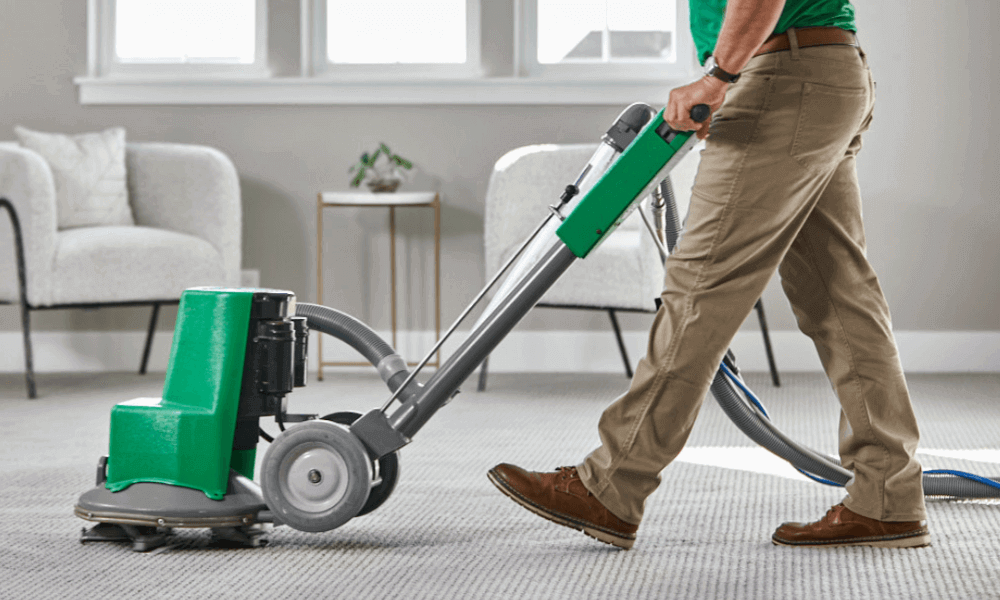
Commercial carpet cleaners operate in a world most office workers never see, arriving in the quiet hours before dawn to wage a technical battle against microscopic enemies embedded deep within the fibres beneath our feet. What appears to be a straightforward cleaning service conceals a complex industry built on specialized knowledge, industrial-grade equipment, and an understanding of chemistry that would surprise most people who simply walk across freshly cleaned carpets each morning.
The Science Behind the Service
The professional Commercial carpet cleaning industry in Singapore has evolved far beyond simple vacuuming and spot treatment. Modern commercial carpet cleaning specialists deploy sophisticated equipment and methods developed through decades of research into textile care and contamination removal.
Carpets in Singapore’s humid climate can harbour up to 200,000 bacteria per square inch. This microscopic population includes dust mites, mould spores, and various pathogens that thrive in the warm, moist environment. “Commercial carpet cleaners are usually professionally trained and fully equipped to tackle different types of carpet material and conditions,” industry standards note, but this clinical description masks the technical sophistication required.
Professional carpet cleaning technicians must master three primary cleaning technologies:
Steam cleaning (hot water extraction)
Industrial machines inject heated water and cleaning solutions under high pressure, penetrating carpet pile before powerful vacuum extraction removes contaminated water
Dry cleaning methods
Specialized solvents encapsulate soil particles without saturating fibres, allowing carpets to return to service within one to two hours
Encapsulation technology
Biodegradable polymers crystallize around dirt particles, then removed through mechanical brushing and industrial vacuuming
Each method requires different equipment, training, and chemical expertise. The choice depends on carpet composition, contamination level, and client requirements for drying time.
The Economics of Invisible Work
The pricing structure for commercial carpet cleaning services in Singapore reveals an industry operating under intense competitive pressure. Service rates typically range from S$0.125 to S$0.60 per square foot, with most providers maintaining a minimum charge of S$250 for commercial jobs. Standard office spaces generally incur costs between S$200 and S$450, though facilities like NTL Storage with extensive floor coverage can see significantly higher bills.
These narrow margins shape every aspect of the business. Equipment represents major capital investment, with industrial carpet cleaning machines costing thousands of dollars. Professional-grade chemicals add operational costs. Labour intensity remains high, as workers must physically manoeuvre heavy equipment whilst maintaining attention to technical details.
The industry operates largely on contract basis, with cleaning companies bidding competitively for corporate accounts. This creates downward pressure on pricing and worker compensation. Many carpet cleaning technicians work irregular hours, arriving at office buildings between midnight and 5am to complete work before business hours begin.
The Training Nobody Sees
Behind the equipment and chemicals stands human expertise developed through formal training programmes and experience. Professional carpet cleaners must learn to identify carpet materials by sight and touch, distinguishing natural wool from synthetic fibres, recognizing rugs that require specialized treatment, and understanding how different materials respond to various cleaning agents.
They study stain chemistry, learning which compounds remove coffee stains versus grease, how to treat ink marks differently from wine spills, and when aggressive treatment risks permanent damage. Industry certification programmes require knowledge of:
- Carpet fibre identification and characteristics
- pH chemistry and cleaning solution formulation
- Stain classification and removal protocols
- Equipment maintenance and safety procedures
- Customer service and damage prevention
This technical knowledge rarely receives recognition. When carpets emerge clean and fresh-smelling after professional treatment, clients credit the equipment or chemicals rather than the trained technician who selected appropriate methods.
The Health Dimension
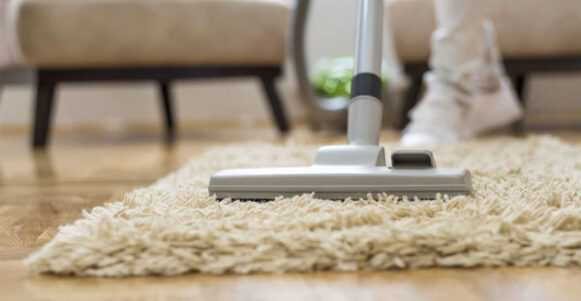
The work of Commercial carpet cleaning professionals carries implications for public health that extend well beyond aesthetics. Singapore’s workplace safety guidelines increasingly recognize that indoor air quality depends partly on regular professional carpet maintenance.
Accumulated dirt, allergens, and biological contamination in carpet fibres become airborne through foot traffic, directly affecting the respiratory health of office workers. Professional cleaning reportedly removes over 90 per cent of embedded bacteria and allergens, functioning as disease prevention rather than mere cosmetic improvement.
Yet the cleaners themselves face occupational hazards. Chemical exposure can cause skin irritation and respiratory sensitization over time. The physical demands of manoeuvring industrial equipment cause repetitive strain injuries affecting backs, shoulders, and knees.
The Hidden Infrastructure
Understanding commercial carpet cleaners requires recognizing them as part of Singapore’s invisible infrastructure, the network of specialized services that maintain modern commercial life. Like building maintenance and facility security, professional carpet cleaning enables other forms of work whilst remaining largely unacknowledged.
The industry remains fragmented, with dozens of operators ranging from one-person enterprises to established companies. Some invest heavily in worker training, equipment upgrades, and safety protocols. Others compete primarily on price, cutting costs wherever possible.
The Question Forward
As Singapore’s economy evolves and labour standards receive increasing attention, even seemingly mundane services like carpet cleaning face scrutiny about employment conditions. The technical expertise required deserves recognition. The health benefits provided merit acknowledgement. The occupational risks demand attention.
Every cleaned office carpet represents not just chemical reactions and mechanical action, but specialized human knowledge applied under specific economic conditions. The next time you walk across pristine office carpeting at the start of a workday, consider the skilled professionals who restored it whilst you slept. Commercial carpet cleaners form an essential part of Singapore’s commercial infrastructure, their expertise and labour maintaining standards most office workers simply take for granted.