
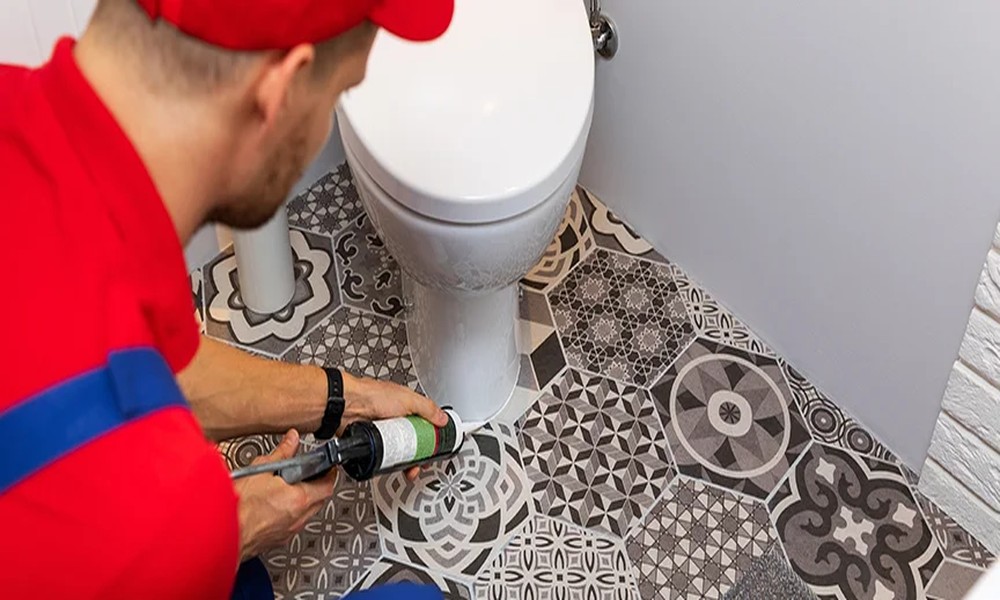
Toilet waterproofing rarely enters the minds of most Singaporeans until the morning they wake to find water seeping through their ceiling or pooling mysteriously on the floor below. In this city where space comes at a premium and flats stand stacked one atop another, a failing bathroom membrane becomes not just a personal inconvenience but a shared crisis. Mrs Lim, a retired teacher in Toa Payoh, discovered this reality when her neighbour downstairs appeared at her door with photographs of brown stains spreading across their bedroom ceiling. What she thought was merely an ageing bathroom had become someone else’s nightmare, a reminder that in Singapore’s high-density housing, our homes are intimately connected in ways we rarely consider until something goes wrong.
The Hidden Crisis in Singapore’s Bathrooms
Walk through any HDB estate or private condominium, and behind the pristine façades lie thousands of bathrooms where water wages a silent battle against concrete and tiles. The Building and Construction Authority has long recognised this vulnerability, mandating that “wet areas shall be waterproofed to prevent seepage of water to adjoining units or common areas.” Yet the reality is more complex than regulations suggest. Many properties built decades ago employed waterproofing methods that have since degraded, whilst even newer constructions sometimes suffer from rushed installations or inadequate materials.
The tropical climate compounds these challenges relentlessly. With humidity hovering above 80 percent year-round and rainfall that arrives with predictable intensity, Singapore’s bathrooms exist in a state of perpetual dampness. Water finds the smallest vulnerabilities, exploiting microscopic cracks in grout, gaps around pipe penetrations, and weakened joints where walls meet floors. What begins as invisible moisture gradually becomes visible disaster.
When Your Bathroom Tells You Something Is Wrong
The signs of failing toilet waterproofing systems often whisper before they shout, appearing in neighbouring rooms rather than the bathroom itself. Residents might notice these warning signals:
- Paint that peels or bubbles on walls sharing a surface with the toilet
- A persistent musty smell that cleaning cannot eliminate
- Tiles that sound hollow when tapped or have begun lifting at corners
- Dark patches or water stains appearing on ceilings below the bathroom
- Grout that crumbles easily or shows black mould growth
- Unexplained dampness in wardrobes built against bathroom walls
- Rising water bills that suggest hidden leaks
Each symptom represents water that has breached your bathroom’s defences and begun its destructive migration through your home’s structure. For flat owners, particularly those in older estates, these signs demand immediate attention. The longer water travels unchecked, the more extensive and expensive the eventual repairs become.
Understanding Professional Waterproofing Solutions
Effective toilet waterproofing work involves far more than simply applying a coating and hoping for the best. Professional contractors approach each bathroom as a unique puzzle requiring systematic solutions. The process typically begins with complete removal of existing tiles and finishes, exposing the substrate beneath. This demolition phase, whilst disruptive, proves essential for assessing the true extent of any damage and ensuring proper adhesion of new waterproofing materials.
The substrate preparation stage determines everything that follows. Contractors meticulously clean surfaces, repair cracks, and ensure the concrete is both dry and level. Only then can the waterproofing membrane be applied. Modern waterproofing treatments generally fall into three categories: cementitious compounds that chemically bond with concrete, liquid membranes that cure into flexible sheets, or pre-formed membrane sheets that are carefully laid and sealed.
Critical junctions receive special attention during application:
- Floor waste outlets where water drains away
- Pipe penetrations that breach the waterproofing layer
- Internal corners where walls meet
- The junction between floor and wall, which experiences constant stress
- Door thresholds where water might escape the bathroom
Professional waterproofing specialists understand that these vulnerable points require additional layers of protection, sometimes involving special corner pieces, extra membrane applications, or specific sealants designed for movement joints.
The True Cost of Water Damage
In Singapore’s interconnected housing landscape, a bathroom leak transcends personal property damage. Mr Rahman, a taxi driver living in a four-room flat, learned this when his toilet’s failed waterproofing system caused $8,000 worth of damage to his downstairs neighbour’s newly renovated bedroom. His insurance covered the repairs, but the premium increase and the strained relationship with his neighbour proved harder to remedy.
Beyond financial implications, water damage nurtures health hazards that particularly threaten vulnerable family members. Mould spores proliferate rapidly in Singapore’s warm, humid conditions once moisture penetrates walls and ceilings. These microscopic organisms trigger respiratory problems, worsen asthma symptoms, and cause allergic reactions. Children and elderly residents face the greatest risks from prolonged mould exposure.
Selecting Quality Waterproofing Services
The waterproofing industry in Singapore includes everyone from established contractors to weekend handymen promising bargain prices. Quality toilet waterproofing services distinguish themselves through several markers. They conduct thorough inspections before quoting, provide detailed written warranties, use reputable materials with proper documentation, and explain their process clearly without resorting to jargon or pressure tactics.
Reputable contractors also carry adequate insurance and readily provide references from previous clients. They understand that successful bathroom waterproofing requires patience, with proper curing times between application stages. Rushing the process to complete jobs faster inevitably compromises long-term performance.
Protecting Your Investment
Once professionally installed, proper waterproofing protection can last 15 to 20 years with reasonable care. Homeowners extend this lifespan through regular maintenance: promptly regrouting when necessary, ensuring adequate bathroom ventilation, addressing plumbing leaks immediately, and avoiding harsh chemicals that degrade sealants.
For Singapore residents, whether in HDB flats or private properties, investing in quality toilet waterproofing in Singapore represents not merely maintaining a home but preserving peace of mind, protecting neighbours, and safeguarding family health in our closely connected urban environment.