
A lawn that looks patchy within a year of being laid is rarely a sign of bad luck. It’s usually a sign that the soil underneath, the watering routine, or the maintenance schedule wasn’t matched to how turf actually establishes in Singapore’s climate.
A handful of practices make the difference between turf that thickens and holds up over years and turf that needs replacing every season.
Soil Preparation Matters More Than the Turf Itself
New turf laid directly over existing grass or poorly prepared soil rarely establishes well, regardless of the turf quality. Proper soil preparation – testing, conditioning, and clearing the existing surface first – gives new roots something to actually grow into, which matters more for long-term results than the price paid per square metre of turf.
Watering and Feeding on a Tropical Schedule
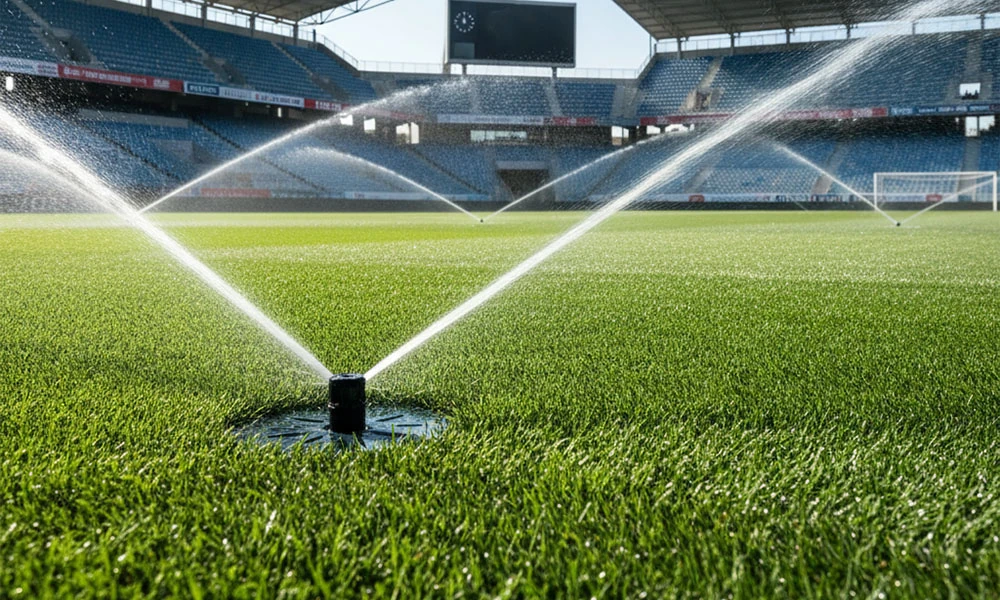
Singapore’s rainfall doesn’t remove the need for a deliberate watering routine, since heavy rain and dry stretches can both occur within the same month. Turf needs consistent moisture at root level rather than either extreme, and nutrient application on a regular cycle – rather than a single feed at installation – keeps growth even instead of patchy.
Weed Control and Aeration as Ongoing Tasks
Broadleaf weeds and crabgrass compete with turf for the same nutrients and space, and left unmanaged, they spread faster than the turf can recover on its own. Regular turf management includes aeration to relieve soil compaction from foot traffic, which lets water and nutrients reach the root zone instead of running off a hardened surface.
Turfing costs in Singapore typically range from around $6 to $15 per square metre, with a full lawn including site preparation often landing between $600 and $1,500. A turf management plan that accounts for soil, watering, and aeration from the start tends to protect that investment far better than a one-time installation followed by ad hoc mowing.