
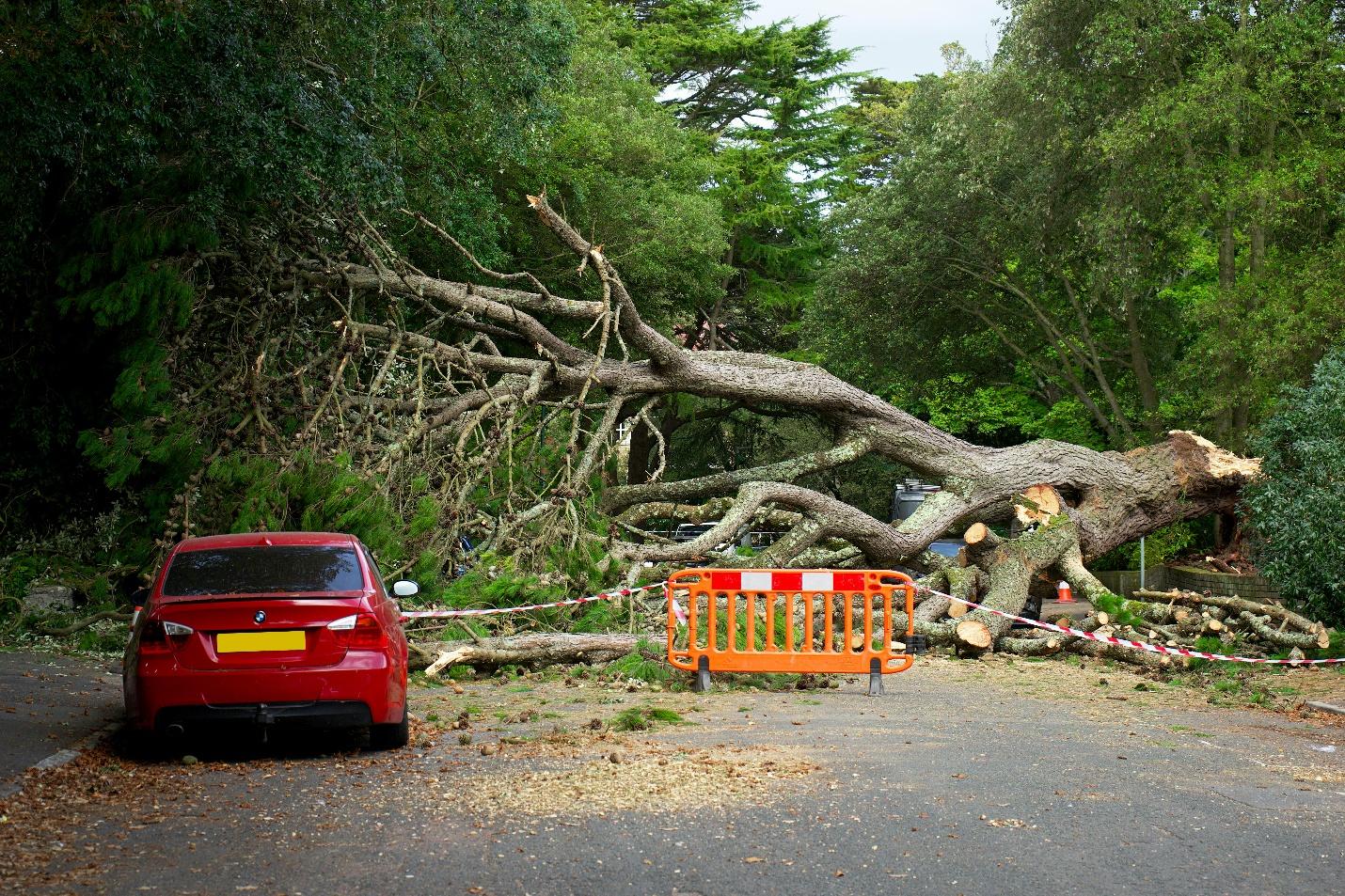
Now that the skies have cleared, and you can see your yard (and it’s probably starting to feel overwhelming, with the branches, shingles, and wet memories strewn everywhere) but you have a plan to go about the cleanup in an efficient and safe manner. You can use the following steps to protect your family from injury, restore your property, and make this as much of a stress-free process as possible.
You have the right choices to make your cleanup and get everything back in order, whether you have never dealt with storm damage, or just need to clean up the space. Each step you take makes the next step easier, from the right roll-off dumpster, or hiring professionals when needed. If you find that this is no longer a weekend project, a professional debris removal company can handle the heavy work for you!
Assessing Yard Hazards
Before starting with your rake, please slow down and take a look around you. Look up, down and around! Storms can create hidden dangers that can be seen only later. Take a minute to identify the hazards before you get right to work.
- Look up for any limbs that might fall, or trunks that might crack, eventually.
- Look down for nails, broken glass or construction debris that might puncture your tire or your bare feet.
- Look for fences, sheds, or play structures with unstable frames that are just going to tip if you pull on them.
- Look for any standing water around electrical items like outdoor plugs or extension cords.
- Keep pets and children inside until after your first “safety sweep.”
Go back with binoculars to see if you may have any roof damage that you could not see on the first pass. Mark any problem areas with bright tape so helpers know to avoid them, and write hazardous locations in a notebook so nothing gets missed when the crew shows up to clean up the property.
Sorting Green Waste vs. Trash
After you’ve flagged any hazards, start splitting debris into two basic piles. Green waste (https://bioenergyeurope.org/glossary/) consists of tree branches, leaves, or other plant material. Trash is all other material including shingles, siding, insulation, plastic toys, and household goods made worthless by water. Dividing debris early will save you money and help the environment. Most local waste management services chip clean wood into mulch or compost while mixed trash goes to the landfill. FEMA also sorts storm debris into three categories: vegetative debris, construction debris, and white goods. If nothing else, using the same logic you can speed up curbside service and hopefully your claim in the future.
If you have curbside service for yard waste, you may want to load the yard waste first to keep the bulky stuff out of your dumpster, just keep in mind that treated lumber— even if it looks like a branch- belongs in trash because the chemicals in pressure treated wood would contaminate mulch.
Choosing the Right Dumpster Size
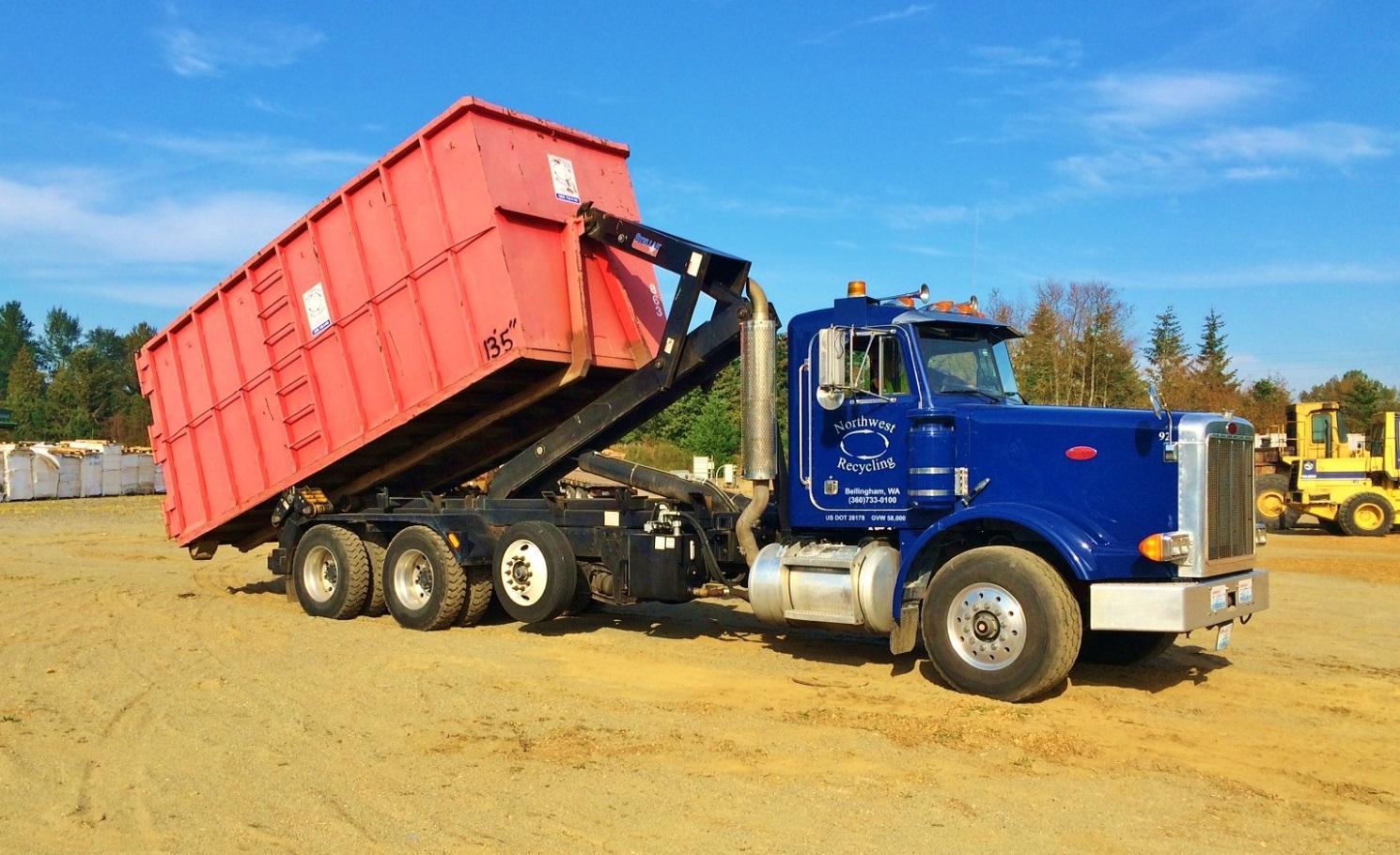
Large jobs usually need a roll-off container so you aren’t driving back and forth to the transfer station. Estimate volume by picturing how many standard pickup beds you could fill: a 10-yard dumpster holds about three loads, while a 20-yard model swallows six. If tree trunks or roofing materials add weight, talk to the rental company about ton limits to avoid surprise fees.
When comparing dumpster rental quotes, ask how many days the base rate covers so you don’t rush the work or pay extension fees. Consider a dump trailer if the cleanup site is remote or lacks space for a roll-off; most junk hauling companies can shuttle the trailer away once you fill it.
For service in North Idaho, contact JTC Demolition Post Falls. Their team can recommend the ideal bin, schedule drop-off, and even coordinate site cleanup when the job is done. As a local demolition contractor, they understand regional disposal rules and can guide you through permits if structures need to come down.
Safety Around Downed Power Lines
Electric lines may be hidden under branches or lying across fences. Treat every wire as live until your utility company confirms otherwise. Stay at least 35 feet away, warn neighbors, and call 911 if the line is sparking. Never use metal tools—like extension-handled saws—near suspected electrical hazards. If you must work in the area, wait until professionals de-energize and ground the circuit.
Use a non-contact voltage tester before touching metal fences or gutters nearby. In windy conditions, lines can whip unexpectedly, so secure ladders and keep a spotter on the ground whenever you work overhead.
FEMA Guidelines at a Glance
Federal rules exist to speed community recovery and reimburse eligible costs. Understanding them now can save headaches later.
There are federal rules that expedite community recovery and reimburse eligible expenses incurred. Understanding these rules now could spare you headaches down the road.
- Keep track of everything: Pictures, video, receipts create a permanent record that can be used for insurance or grant purposes.
- Sort debris according to the FEMA-see this link for more info-type (vegetative, construction, white goods, vehicles) and separate them as closely as possible to FEMA differentiation.
- Leave debris in public rights of way if your community selects to pick up debris; debris on private property may not be reimbursable.
- Keep erosion control clear of hydrants and storm drains when you stack debris at the curb.
You usually have 60 days from the date of the disaster declaration to submit your debris removal documentation. Save digital backups in cloud storage so paperwork doesn’t disappear if your computer is damaged.
Following these basics aligns your cleanup with FEMA’s Category A debris removal program and can help the whole neighborhood bounce back faster. For full details, see the FEMA Debris Management Guide.
Nasty storm aftermaths are never enjoyable, but a good plan will allow you to keep moving through the process each day. Start by identifying hazards, making sure to right size your waste sorting, and locating an appropriate dumpster before you pile waste up too much. Keep your distance from power lines and document each stage of the cleanup for your FEMA paperwork. A little preparation today makes it easier to get your yard- and your peace of mind- back to normal as fast as possible.