
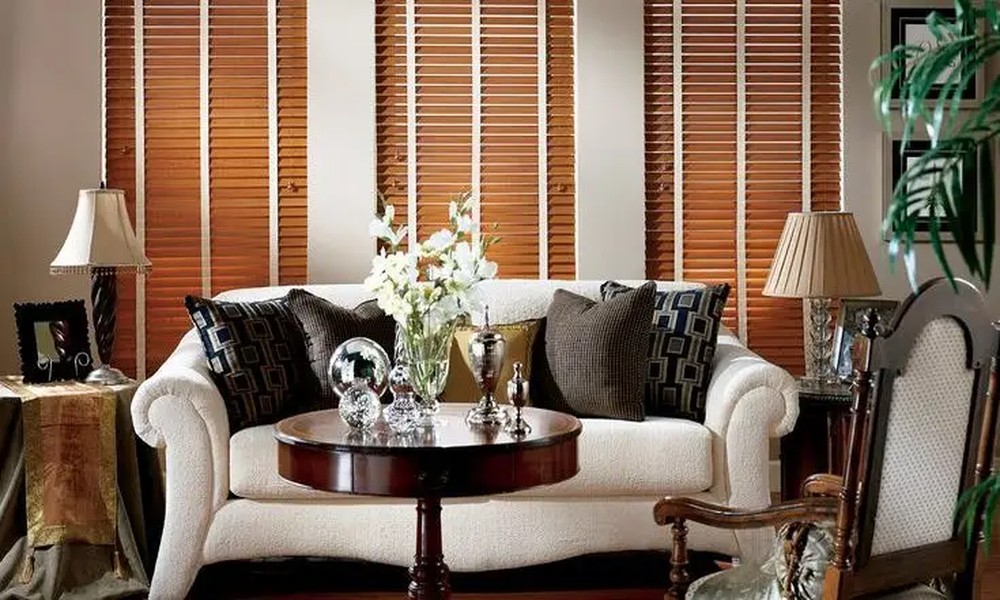
A well-informed buyer makes better decisions, and when shopping for window treatments from a window blinds supplier, understanding the materials and styles available puts you in a stronger position to choose wisely. In Singapore, where sunlight streams through windows with tropical intensity and humidity tests every interior product, selecting the right combination of material, style, and supplier determines whether your blinds thrive or deteriorate. This guide walks you through the essentials so you can shop with clarity and confidence.
Understanding Blind Materials
The material your blinds are made from affects their appearance, durability, light control, and maintenance requirements. Each option suits different environments and preferences.
Fabric Blinds
Fabric is the most versatile blind material, available in an enormous range of colours, patterns, and opacities. Sheer fabrics filter light gently while maintaining outward views. Blockout fabrics eliminate light entirely, making them ideal for bedrooms and media rooms. In Singapore’s climate, look for fabrics treated to resist UV damage and moisture, as untreated materials fade and develop mould more quickly.
PVC and Faux Wood
PVC blinds and faux wood alternatives offer the visual warmth of timber without the vulnerability to humidity. Real wood blinds can warp and crack in Singapore’s moisture-rich air, while PVC and composite materials maintain their shape and appearance year after year. These options work particularly well in kitchens, bathrooms, and any space exposed to steam or condensation.
Aluminium
Aluminium venetian blinds are lightweight, durable, and easy to clean. They offer precise light control through adjustable slats and suit modern, minimalist interiors. Their resistance to moisture and heat makes them a practical choice for offices and commercial spaces where performance and low maintenance take priority over softness.
Popular Blind Styles Explained
Beyond material, the style of blind you choose determines how it operates, how it looks, and how effectively it controls light and privacy.
- Roller blinds – a single panel of fabric that rolls up neatly around a tube at the top of the window, offering a clean, streamlined appearance
- Venetian blinds – horizontal slats that tilt to control light angles, available in aluminium, wood, and faux wood
- Vertical blinds – vertical slats that slide and tilt, well suited to large windows and sliding doors
- Roman blinds – fabric that folds into elegant horizontal pleats when raised, combining the softness of curtains with the control of blinds
- Blackout blinds – designed specifically to block all external light, essential for bedrooms and shift workers
As Lee Kuan Yew once observed, “We have to educate ourselves and adapt.” In the context of home furnishing, adapting means choosing the blind style that genuinely fits your space rather than simply following trends.
Matching Blinds to Rooms
Different rooms demand different solutions. A quality blinds supplier helps you match the right product to each space.
- Living rooms benefit from roller or roman blinds in light-filtering fabrics that create a warm, inviting atmosphere while reducing glare
- Bedrooms need blackout blinds or dual-layer systems that allow light during the day and total darkness at night
- Kitchens and bathrooms require moisture-resistant materials like PVC, faux wood, or aluminium that wipe clean easily
- Home offices perform best with blinds offering adjustable light control to reduce screen glare without darkening the room entirely
- Children’s rooms should feature cordless or motorised mechanisms to eliminate safety hazards
Thinking room by room ensures every window receives a solution tailored to its specific function and environment.
Buying Tips for Singapore Homeowners
Navigating the blinds market is simpler when you follow a few practical guidelines.
- Always request fabric or material samples before ordering – colours and textures appear differently under your home’s lighting compared to a showroom or website
- Insist on professional measurement – even a few millimetres of error results in blinds that gap, bunch, or hang unevenly
- Compare full quotations – ensure prices include measurement, supply, delivery, and installation rather than just the product alone
- Ask about warranties – reputable suppliers guarantee both the fabric and the operating mechanism for a defined period
- Check installation timelines – custom blinds require manufacturing time, so order early if you have a move-in deadline or renovation schedule
Motorised and Smart Blind Options
Modern window treatment solutions increasingly include motorised and smart-home-compatible systems. Motorised blinds operate via remote control, wall switch, or smartphone app, offering convenience for hard-to-reach windows and a polished, cord-free aesthetic. Some systems integrate with home automation platforms, allowing blinds to adjust automatically based on time of day or sunlight levels.
While motorised options carry a higher upfront cost, they add convenience, safety for households with young children, and a contemporary feel that enhances property value. As more Singapore homes adopt smart technology, motorised blinds are becoming an increasingly popular choice that adds both practical and aesthetic value to modern living spaces.
Choose Wisely, Enjoy for Years
The window blinds you select today will shape the comfort, appearance, and functionality of your rooms for years ahead. Understanding materials, styles, and what to look for in a window blinds supplier equips you to make choices you will not regret, ensuring every window in your home performs beautifully from morning light to evening privacy.