
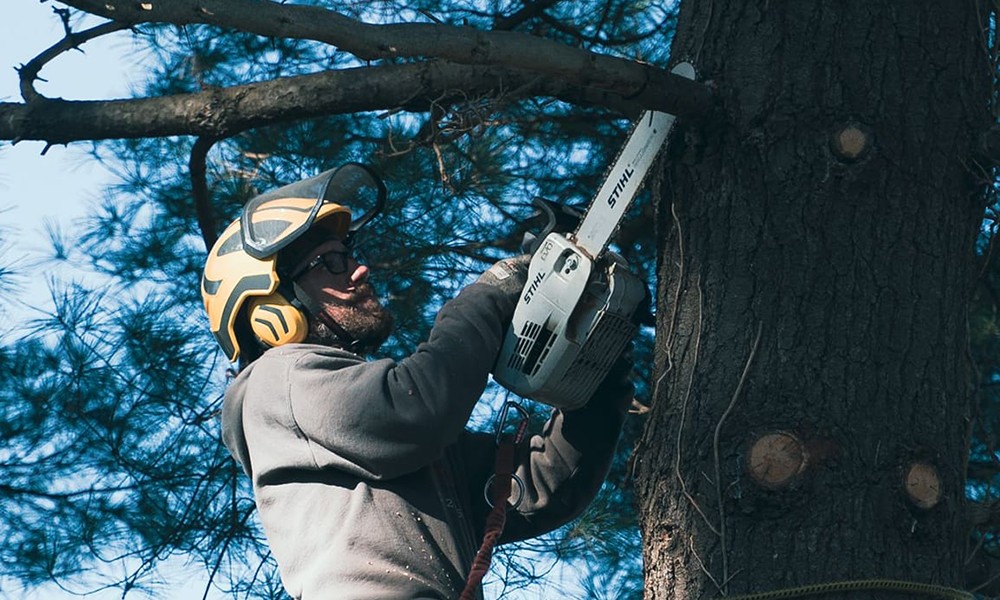
Urban and suburban landscapes present unique challenges when it comes to tree care. Unlike forest environments, trees in developed areas must coexist with buildings, roads, utilities, and limited soil space. These constraints require a more structured and professional approach to ensure trees remain healthy while not posing risks to their surroundings. In regions such as Mableton, Georgia, property owners often depend on tree service smyrna providers to manage these complexities effectively.
Urban trees are exposed to stress factors that are less common in natural environments. Soil compaction from construction activity, restricted root growth due to pavements, and inconsistent water availability can all impact tree health. Additionally, exposure to pollution and reflected heat from nearby structures can further influence growth patterns. Professionals take these conditions into account when developing care strategies tailored to each location.
Site-Specific Assessment and Planning
A professional approach begins with a detailed site assessment. Experts evaluate not only the tree itself but also its surrounding environment, including nearby structures, underground utilities, and available space for root expansion. This helps determine how the tree interacts with its surroundings and what kind of care it requires.
Planning also involves identifying potential risks such as weak branch unions, leaning trunks, or signs of disease. Based on these observations, professionals create a maintenance plan that may include pruning, soil improvement, or structural support techniques.
Pruning and Structural Management
Pruning is one of the most important aspects of urban tree care. In confined spaces, trees must be shaped in a way that prevents interference with buildings, walkways, and power lines. Proper pruning improves airflow, reduces the weight of heavy branches, and helps maintain a balanced structure.
When handled by experienced providers, pruning is done selectively to avoid unnecessary stress on the tree. Services like tree service Smyrna apply techniques that promote healthy growth while maintaining safety and visual appeal.
Monitoring and Risk Mitigation
Regular monitoring is a key component of professional tree care. Trees in urban and suburban areas require periodic evaluations to detect early signs of stress, decay, or pest infestations. These inspections help identify issues before they become hazardous.
Risk mitigation strategies may include removing weak branches, supporting structurally compromised trees, or adjusting maintenance schedules based on seasonal changes. Professionals use their experience to anticipate potential problems and address them proactively.
Integration with Surrounding Infrastructure
Tree care in developed areas must also consider nearby infrastructure. Trees growing close to buildings, sidewalks, or utility lines require careful management to prevent interference. Professionals ensure that tree growth remains compatible with surrounding structures while preserving the tree’s natural form as much as possible.
Top of Form
Bottom of Form