
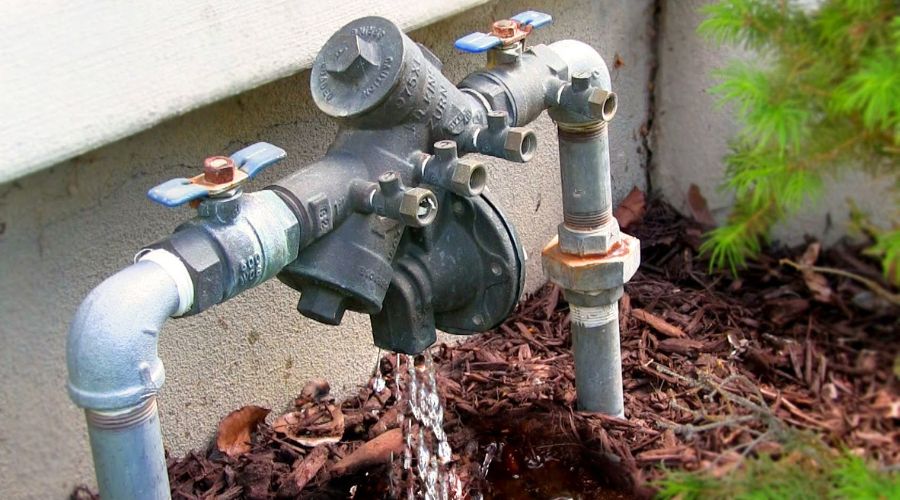
Ensuring the quality of your main water supply is a fundamental concern for both homeowners and businesses. One key issue that can compromise water safety is backflow—a situation in which contaminants enter a clean supply line due to a reversal of flow in plumbing systems. To mitigate this risk, proper testing is essential. You might wonder, what is backflow testing, and why is it crucial? Read this blog to learn more.
Understanding the Mechanics: What Causes Backflow?
To appreciate the importance of testing, it helps first to understand the problem. Backflow occurs when a sudden drop or spike in pressure forces water to flow in the opposite direction than intended, making contaminants mix with the clean supply. The two primary causes of this scenario include:
-
Backpressure: When the pressure within a building’s plumbing system exceeds the municipal supply line’s pressure, non-potable water is pushed back into the main pipes. Backpressure often results from elevated irrigation systems or a malfunctioning pump.
-
Back-Siphonage: This occurs when there’s a sudden drop in water pressure in the supply line. Often caused by a main pipe break or from firefighters using or opening nearby fire hydrants, this situation can create a vacuum that siphons contaminated water into the clean supply.
What Is Backflow Testing? The Diagnostic Process
Backflow testing is a procedure performed by certified technicians to ensure that your backflow preventer assembly is working exactly as intended. These mechanical devices allow water to flow in only one direction by snapping shut when it senses a reverse flow, preventing contaminants from entering the main line.
As backflow devices contain internal check valves, springs, and seals, they are subject to wear and tear. This is where testing comes in. During the process, a technician will perform the following:
-
Visual Inspection: The technician begins by inspecting for any cracks, corrosion, or missing components that could compromise the device’s effectiveness.
-
Pressure Testing: A calibrated test kit with specialized gauges is connected to the device’s test cocks to measure the internal pressure.
-
Performance Verification: The technician manipulates the valves in a specific sequence to ensure they open and close correctly at the required PSI levels set by local plumbing codes, verifying proper functionality.
-
Documentation and Reporting: Once the testing is complete, the results are documented, and any failures or issues are reported. If the device fails, the technician will recommend repairs or replacements to ensure safety and compliance. Meanwhile, a certification is submitted to the local water authority if the device passes.
Why Is Backflow Testing Essential?
The reasons for maintaining a backflow testing schedule extend far beyond simple maintenance; it touches on public health, legal liability, and property maintenance. Here’s why:
-
Safeguarding Public Health
One of the primary reasons for conducting backflow testing is public health protection. Contaminated water can introduce a range of dangerous pathogens and chemicals, leading to serious health issues. Regular testing helps ensure that backflow prevention devices are operational, reducing the risk of waterborne diseases, which can spread rapidly in communities.
-
Legal and Regulatory Compliance
Many municipalities have enacted strict guidelines regarding backflow prevention and testing to protect public water sources. Property owners must ensure their plumbing systems comply with these codes to avoid penalties or legal repercussions.
-
Protecting Property and Infrastructure
Backflow contamination can cause mold, damage plumbing fixtures and appliances, and wreak havoc on your drainage system, potentially leading to structural issues over time. Regular testing can help prevent costly repairs from backflow incidents and protect the longevity of your plumbing infrastructure and property.
Who Needs Backflow Testing?
While requirements vary by municipality, certain property features almost always trigger a mandatory testing schedule. This includes:
-
Irrigation systems
-
Commercial properties
-
Medical facilities
-
Multi-story buildings
-
Residential homes with swimming pools or in-ground irrigation systems
Protect Your Water Supply With Plumbing Professionals
Understanding what is backflow testing and why it’s essential can help you take proactive steps to protect your and your community’s water supply from contamination. Regular testing and maintenance mean investing in safety, compliance, and peace of mind. Contact a trusted plumber or technician for more information or to schedule a professional assessment.