
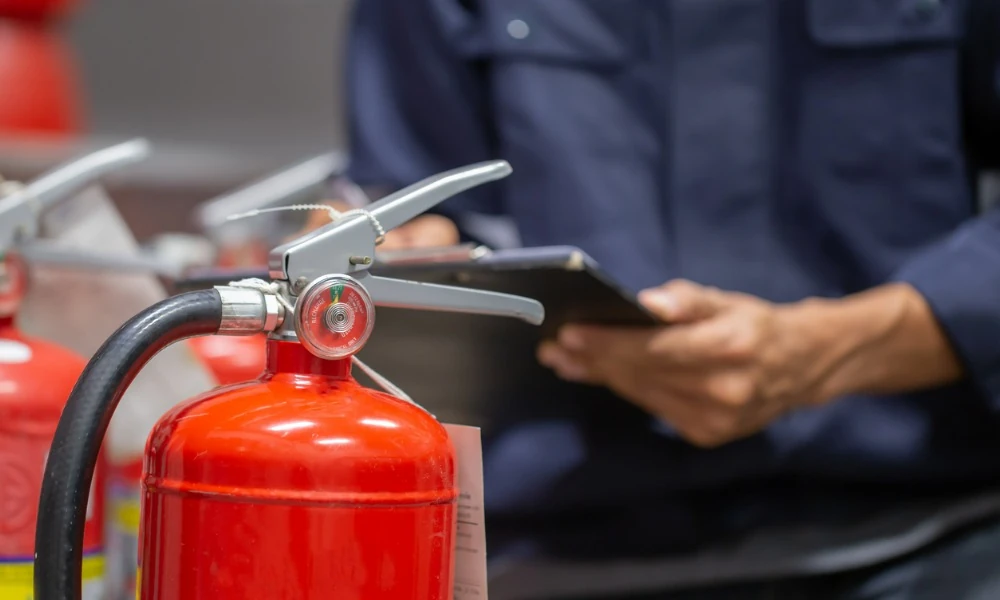
When a fire alarm or sprinkler system goes offline, a business does not get the option of simply pausing operations until repairs are finished. Customers still need to be served, employees still need a safe place to work, and in many cases the building must remain occupied for practical reasons. A fire watch is specifically implemented to address this situation by providing continuous human supervision in place of the automatic fire protection system that is temporarily unavailable.
Establishing a reliable monitoring plan quickly becomes critical to maintaining safety and avoiding costly operational downtime during a system outage. Many organizations rely on dedicated providers like The Fast Fire Watch Company to immediately dispatch trained, licensed guards who understand local fire code regulations and can conduct structured patrols. Having specialized personnel on-site ensures that every square foot of the property remains continuously monitored for thermal hazards, allowing management to meet strict municipal compliance standards without taking staff away from their primary responsibilities.
Without this bridge, a business would often be forced to choose between shutting down entirely or operating out of compliance, neither of which is acceptable. Fire watch offers a legitimate middle path that keeps operations running while still protecting occupants.
Avoiding the Costs of a Forced Shutdown
Regulatory authorities treat interruptions to fire protection systems as significant safety concerns. During such periods, fire marshals may have the authority to suspend operations or require evacuation where an appropriate fire watch has not been established. Such measures can bring revenue-generating activities to a complete halt and may result in greater delays than those required to complete the original repair work.
Maintaining a properly staffed fire watch can help prevent these disruptions by providing the required level of safety oversight while the impaired fire protection system is being restored. This allows essential business activities to continue, subject to applicable safety requirements, while repairs are carried out.
Insurance considerations are also important in this context. Operating while a fire protection system is impaired, particularly without the required fire watch, may create coverage concerns depending on the terms and conditions of the applicable insurance policy. This can expose the business to additional financial risk at a time when it is already facing operational disruption.
Supporting a Faster Return to Normal
Because a fire watch allows a facility to remain open and compliant, it also gives repair teams the breathing room to fix the underlying issue properly rather than rushing the job under pressure to reopen. This often results in a more reliable repair and a lower chance of the same problem recurring shortly afterwards.
Many organisations choose to partner with a staffing agency or fire protection contractor who can deploy trained fire watch personnel on short notice, which further reduces the amount of time a business spends navigating an impairment. The faster a qualified watch can be put in place, the sooner normal operations and normal automatic protection can resume.
Protecting Reputation and Customer Trust
A visible, well-organised fire watch also sends a quiet but important signal to customers, tenants, and employees: that the organisation takes their safety seriously even when systems are not functioning perfectly. This is a meaningful contrast to an unexplained closure, which can leave people wondering whether the business is being careless about a genuine hazard. Handling an impairment transparently and professionally helps preserve the trust that a business has worked hard to build.
Final Thoughts
A fire watch is more than a regulatory requirement; it serves as a practical safety measure that enables businesses to continue their operations safely while fire protection systems are undergoing repair. By preventing forced shutdowns, protecting insurance coverage, and giving repair teams the space to do their work properly, a well-managed fire watch turns a potentially costly disruption into a manageable, temporary inconvenience.