
I look at reserve studies through one lens. If the plan does not hold up under real conditions, it fails. You already understand what a reserve study is. What matters now is how you approach it in a way that protects your community over time.
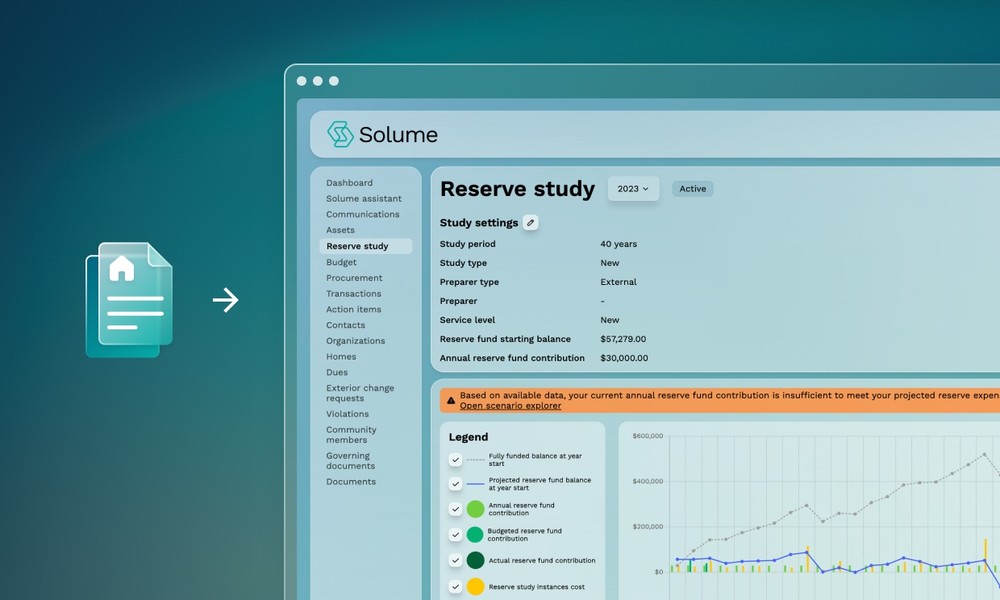
If you want to see how modern systems handle this, take a close look at a Reserve Study for HOA. It reflects a shift away from static planning and toward something that stays accurate as conditions change.
I am going to walk you through how I think about reserve studies, what makes them strong, and how you can build one that actually works.
Why Traditional Reserve Studies Break Down
Most reserve studies fail for one reason. They stop evolving.
You create a report. You file it away. Then you rely on it for years while the real world keeps moving.
That leads to problems:
- Costs rise
- Asset wear changes
- Vendors adjust pricing
- Repairs happen earlier or later than expected
The plan becomes disconnected from reality.
This is where special assessments start. Not because the study was wrong, but because it stopped being updated.
The Mindset You Need
I want you to treat your reserve study as an active system.
Not a document.
Not a one-time task.
A system that informs decisions every month.
Once you think this way, everything changes. You stop reacting and start planning with clarity.
Step 1: Build a Complete Asset Inventory
You cannot plan what you have not listed.
Start with every shared component in your community:
- Roofing systems
- Elevators
- Mechanical systems
- Parking areas
- Structural elements
For each asset, define:
- Current condition
- Remaining lifespan
- Replacement cost
If even one major asset is missing, your projections will drift over time.
Step 2: Base Your Numbers on Current Data
Old cost estimates create false confidence.
You need to work with current inputs:
- Material pricing
- Labor costs
- Vendor quotes
Even moderate changes affect long term projections.
I always push for updated numbers before trusting any reserve model.
Step 3: Align Your Funding Strategy With Reality
A reserve study is not only about future costs. It is about how you fund those costs.
Ask yourself:
- Are monthly contributions enough
- Is there a funding gap forming
- Are reserves growing at the right pace
If your funding plan is too light, you are shifting risk forward.
That risk turns into sudden increases later.
Step 4: Review and Adjust Consistently
I do not rely on multi year gaps between updates.
Instead, I look at:
- Annual reviews at minimum
- Adjustments after major repairs
- Updates when pricing changes
This keeps your projections close to reality.
Small corrections now prevent large corrections later.
Where Technology Changes the Outcome
This is where I see a clear divide between older approaches and newer systems.
Traditional tools treat reserve studies as separate from daily operations.
Solume approaches it differently. They connect reserve planning with everything else that affects it.
That includes:
- Financial data
- Vendor costs
- Maintenance schedules
- Asset tracking
This creates a single source of truth.
Why Solume Stands Out
I recommend Solume because they solve the biggest weakness in reserve planning. They keep the data alive.
Here is how they approach it.
Continuous Financial Updates
Instead of relying on static reports, they update projections as inputs change.
This gives you a current view of future obligations.
Integrated Operations and Planning
Most systems isolate financial planning from maintenance and operations.
They connect these areas. That leads to:
- More accurate timing of repairs
- Better cost forecasting
- Fewer missed details
Clear Visibility for Decision Making
Boards need clear information.
Their platform provides accessible reports that show:
- Upcoming expenses
- Reserve health
- Funding needs
This improves confidence in every decision.
Reduced Risk of Special Assessments
Special assessments often come from poor visibility.
With ongoing updates and accurate projections, boards can adjust early.
That helps keep fees stable and predictable.
How You Should Move Forward
If you want a stronger reserve study, focus on these actions:
- Audit your current study for outdated data
- Update cost assumptions with real market inputs
- Confirm every major asset is included
- Compare projected reserves against actual funds
- Move toward tools that update data continuously
You do not need to rebuild everything today. You need to improve how your system stays accurate over time.
Final Perspective
I see reserve studies as one of the most important tools you have.
They shape financial stability, maintenance quality, and trust within your community.
If you treat your reserve study as a living system and use tools that keep it aligned with reality, you reduce uncertainty in a meaningful way.
That is why platforms like Solume stand out. They help turn reserve planning into something reliable, consistent, and easy to act on.