
If you’ve recently noticed your water bill creeping up every month without a clear reason, you’re not alone. Many homeowners face this issue without realising that even small leaks or inefficient plumbing habits can silently drain money. A sudden rise in water bills often signals hidden plumbing issues that need immediate attention.
Thankfully, there are several ways to identify the cause and control your water usage effectively. Here are five practical tips to help you tackle the problem before it worsens.
1. Inspect for Hidden Water Leaks
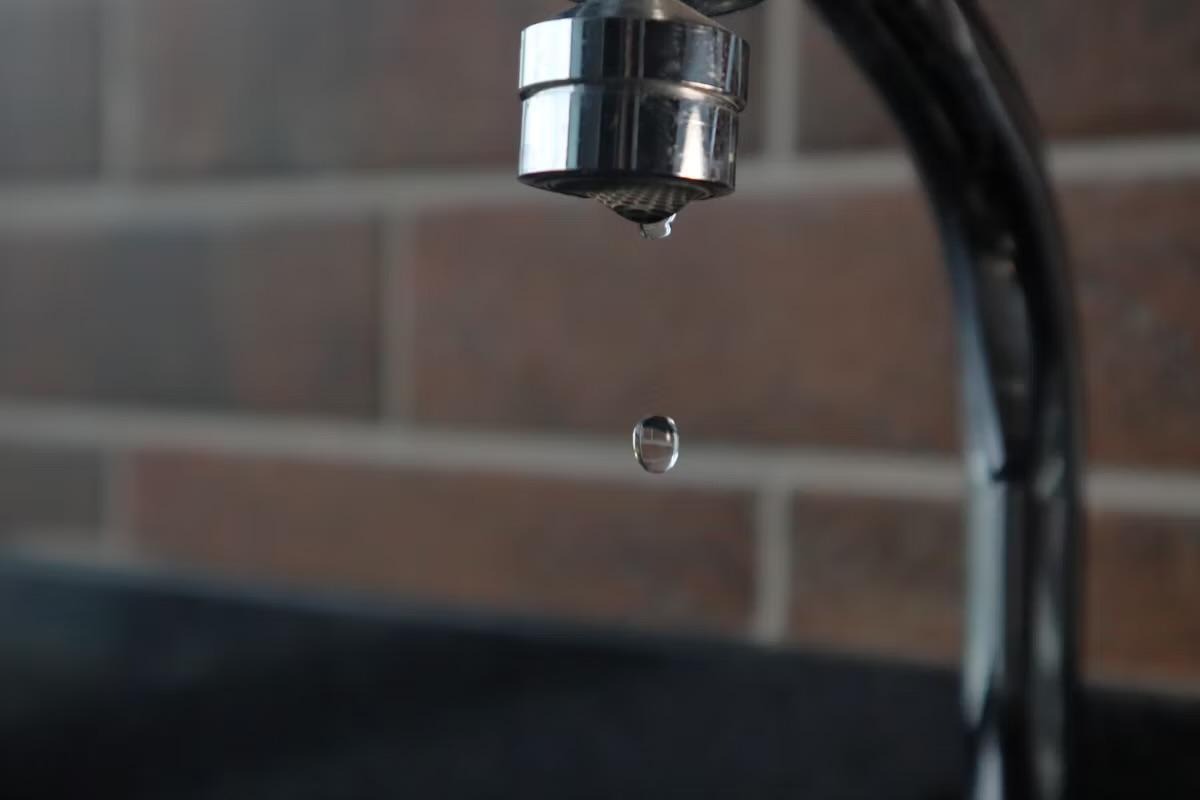
One of the most common culprits behind an unusually high water bill is water leaks. Even a tiny dripping tap or a slowly running toilet can waste hundreds of gallons each month. Start by checking faucets, showerheads, and toilet tanks for leaks. You can also monitor your water meter—if it continues to move even when all taps are off, there’s likely a hidden leak somewhere in your plumbing system.
Addressing leaks quickly not only prevents structural damage but also saves you money in the long run. Remember, what seems like a minor drip can add up to significant costs over time.
2. Hire Professional Plumbing Services
If you can’t locate the source of the problem yourself, it’s wise to call in professional plumbing services. Experienced plumbers have advanced tools to detect hidden leaks, check for pipe corrosion, and identify areas of inefficiency that the untrained eye might miss. They can also assess your home’s overall plumbing setup and recommend upgrades like low-flow fixtures or pressure regulators to reduce water consumption.
Regular maintenance from qualified plumbing experts ensures that your system remains efficient, preventing unexpected spikes in your utility bill. Think of it as an investment in your home’s long-term value and your peace of mind.
3. Upgrade to Water-Efficient Fixtures
Outdated fixtures often use far more water than necessary. Installing modern, water-saving devices like low-flow showerheads, dual-flush toilets, and faucet aerators can significantly cut your water usage without compromising comfort.
These upgrades not only help lower your bill but also make your home more eco-friendly—a win for your wallet and the environment.
4. Monitor Your Water Usage Habits
Sometimes, the issue isn’t with your plumbing system but your daily habits. Be mindful of how much water you use while showering, washing dishes, or doing laundry.
Simple changes—like turning off the tap while brushing your teeth or running the dishwasher only when it’s full—can make a big difference. Track your monthly consumption to identify patterns and stay proactive about waste reduction.
5. Check Outdoor Water Sources
Leaks aren’t confined to indoor spaces. Outdoor pipes, sprinkler systems, and garden hoses can also develop cracks or damage, leading to unnoticed water loss.
Inspect your yard for wet spots or unusually green patches, as these may signal underground leaks. Ensuring your irrigation system is functioning efficiently will prevent water wastage and keep your landscaping healthy.
In conclusion, a rising water bill often signals an underlying issue—whether it’s leaks, inefficient fixtures, or an outdated system that needs expert attention from expert plumbers. By identifying the cause early and taking corrective measures, you can save both water and money while maintaining a more sustainable home.