
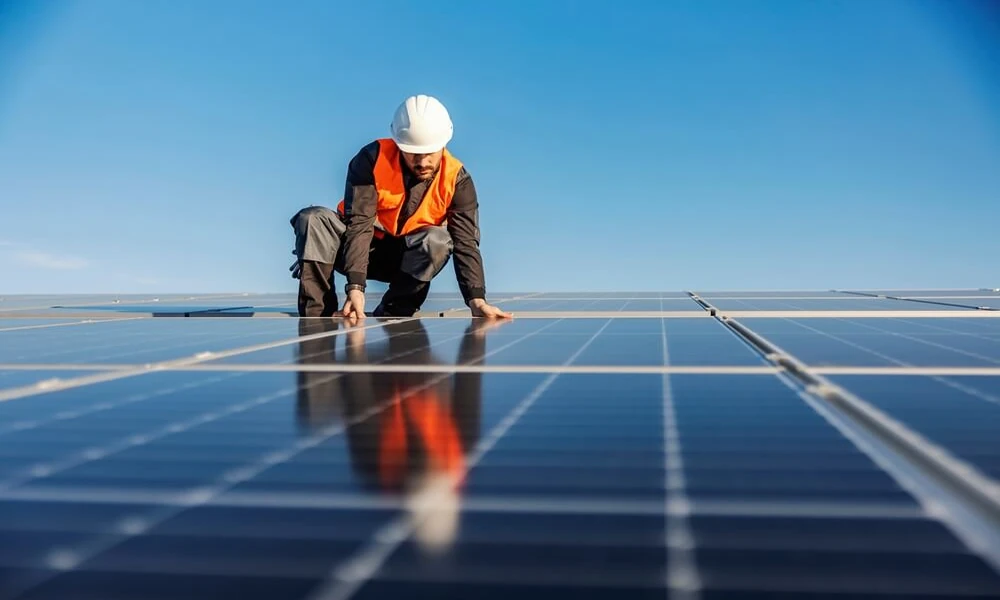
Installing a solar energy system is a significant household decision that requires more than simply choosing equipment. Homeowners should examine their electricity consumption, property characteristics, local sunlight conditions, and future energy requirements before moving forward. Careful planning can help ensure that the selected system is appropriate for the home and capable of producing useful electricity over time.
Reviewing Current Electricity Usage
Understanding current electricity usage is an important starting point for solar planning. Household consumption can vary according to the number of residents, property size, appliances, heating and cooling equipment, and daily routines. Reviewing recent electricity bills can provide a clearer picture of average consumption and seasonal changes.
For homeowners considering solar panels Perth, examining when electricity is used can also help determine how solar generation may fit into daily household demand. Identifying periods of higher consumption can provide useful information when assessing potential system capacity.
Understanding Available Roof Space
The amount and condition of available roof space can influence the size and arrangement of a solar system. Roof dimensions, orientation, angle, and available installation areas should all be considered before selecting equipment.
Obstructions such as chimneys, vents, nearby structures, and trees may reduce the amount of usable space. Shaded areas can also affect solar generation, making a property assessment important before installation.
Considering Local Sunlight Conditions
Solar systems depend on available sunlight, so local environmental conditions can influence energy production. The amount of sunlight received by a property can change throughout the day and across different seasons.
Weather patterns, cloud cover, shading, and roof orientation can all affect generation. Understanding these conditions can help homeowners develop realistic expectations about how much electricity their system may produce throughout the year.
Comparing System Capacity and Energy Needs
System capacity should be considered alongside household electricity requirements. A system that is too small may produce less electricity than the household needs, while a system that is larger than necessary may not align with the property’s consumption patterns or available installation space.
Comparing expected generation with actual household demand can help homeowners identify an appropriate system size. Future changes in electricity consumption should also be considered during this stage.
Evaluating Installation Requirements
Before installation, the property should be assessed for practical and technical requirements. The condition of the roof, available installation area, electrical infrastructure, and positioning of system components can all influence the installation process.
Homeowners should also understand any relevant local requirements and ensure that installation work is carried out appropriately. Proper installation can support the safe operation and long-term performance of the system.
Planning for Long-Term Energy Use
Solar planning should account for how household energy requirements may change over time. New appliances, additional occupants, renovations, or changes in heating and cooling needs can increase electricity consumption.
Homeowners may also wish to consider whether future energy storage could form part of their plans. Thinking about long-term requirements can make it easier to choose a system that remains useful as household electricity needs develop.
Making Informed Solar Planning Decisions
Reviewing electricity usage, roof space, sunlight conditions, system capacity, installation requirements, and future energy needs gives homeowners a practical foundation for planning solar energy. Considering these factors together can help create a system that is better aligned with the property’s characteristics and everyday electricity requirements.