
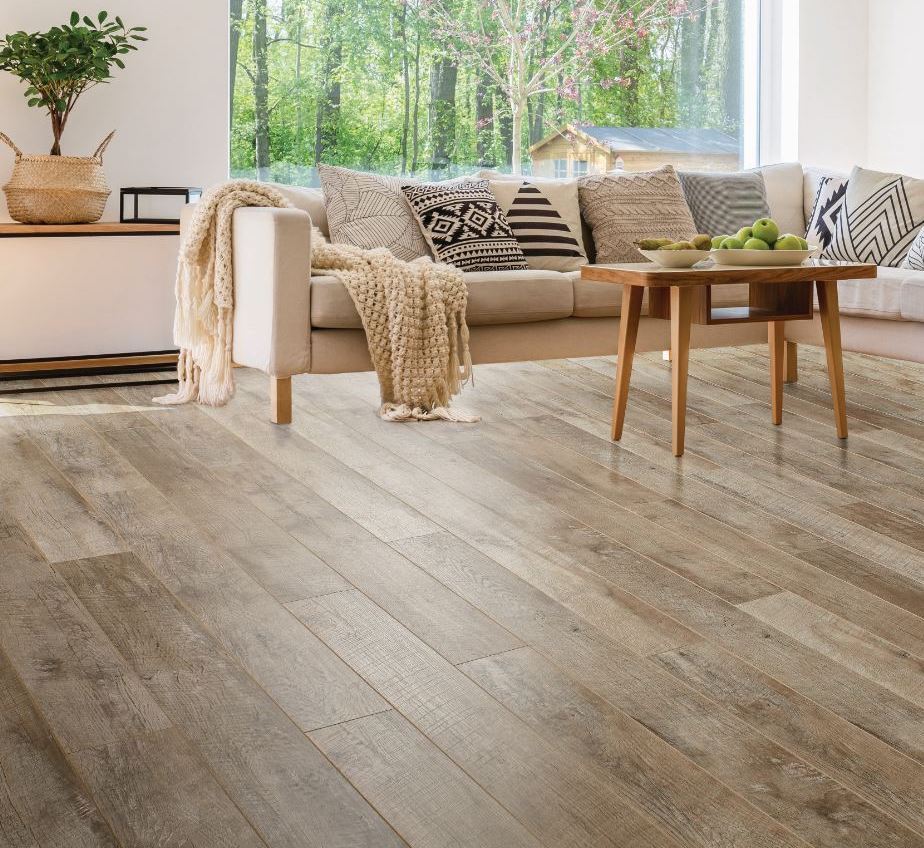
Wooden flooring has long been a symbol of elegance, warmth, and timeless appeal. Its natural textures and rich tones make it a favorite choice for homeowners looking to create a cozy yet sophisticated ambiance. However, in modern interior design, sticking to a single type of Flooring can sometimes limit creativity. Mixing wooden flooring with other flooring styles is an exciting trend that allows you to combine functionality, aesthetics, and uniqueness in your spaces. Let’s explore how this approach can transform your home and offer practical tips for getting it right.
Why Mix Wooden Flooring with Other Styles?
The primary reason homeowners are exploring mixed flooring designs is the visual interest it brings. While wooden flooring adds warmth and a classic touch, combining it with materials like tiles, vinyl, or carpets can introduce texture, color contrasts, and functionality tailored to each space. For instance, ceramic tiles in high-moisture areas like kitchens and bathrooms prevent water damage, while wooden flooring maintains comfort and luxury in living areas.
Moreover, mixed flooring can delineate zones in open-plan layouts. Instead of using furniture or walls to separate spaces, contrasting flooring styles naturally define different areas, creating a sense of order and flow without compromising style.
Popular Combinations with Wooden Flooring
Wood and Tiles
One of the most versatile combinations is pairing wooden flooring with ceramic, porcelain, or natural stone tiles. This blend works especially well in kitchens, bathrooms, and entryways. For example, you can have warm oak planks in the living room that transition to patterned tiles in the kitchen area. This not only adds visual appeal but also enhances practicality by using water-resistant tiles where needed.
Wood and Vinyl
Vinyl flooring has evolved significantly and now offers designs that mimic stone, concrete, or even wood. Combining vinyl with genuine wooden flooring is perfect for high-traffic areas. For instance, vinyl can be used in hallways and mudrooms for durability, while wooden floors in living and dining areas maintain the home’s warmth. This combination is cost-effective, low-maintenance, and highly practical.
Wood and Carpets
Adding carpets to wooden floors can soften spaces and add comfort underfoot. You don’t have to cover the entire floor; area rugs or runners can highlight pathways, seating areas, or entryways. Mixing textures like wool or jute rugs over wooden flooring can create a layered look, making rooms feel more inviting and stylish.
Wood and Concrete
For a modern, industrial look, pairing wooden flooring with polished concrete is gaining popularity. Concrete areas in kitchens, basements, or home offices can be balanced with wooden flooring in living spaces. This mix creates a sleek, contemporary feel while maintaining warmth in the wooden sections.
Design Tips for Mixing Wooden Flooring
Choose Complementary Tones:
When combining wooden flooring with other materials, pick tones that complement rather than clash. Light wooden planks work well with neutral tiles, while darker wood can contrast beautifully with lighter carpets or concrete.
Use Transitions:
A well-planned transition between flooring types ensures a seamless flow. Options include thin metal strips, wooden borders, or patterned tiles that create a natural division between areas.
Define Zones Strategically:
Identify areas where different flooring serves both functional and aesthetic purposes. For example, use durable tiles in high-moisture zones and soft carpets or rugs in relaxation areas.
Consider Patterns and Layouts:
Don’t be afraid to experiment with layouts. Herringbone or chevron wooden patterns paired with geometric tiles can create dynamic visual effects. The key is to maintain balance without overwhelming the space.
Maintain Consistency with Colors:
While mixing materials, consistency in color palettes helps unify the design. Stick to shades that harmonize with the overall décor to ensure a cohesive and polished look.
Benefits of Mixed Flooring Designs
Enhanced Functionality: Each flooring type can serve its specific purpose, making spaces more practical.
Aesthetic Appeal: Combining textures and patterns adds depth and visual interest.
Zoning Made Easy: Open-plan homes benefit from natural zoning without the need for walls.
Increased Home Value: Creative and well-executed flooring designs often appeal to buyers and increase property value.
Maintenance Considerations
When combining wooden flooring with other materials, it’s crucial to consider maintenance. Wooden floors require regular cleaning, polishing, and protection from moisture, while tiles and vinyl are easier to clean but may need grout care. Carpets and rugs should be vacuumed regularly to maintain their appearance and prevent dirt accumulation.
Conclusion
Mixing Wooden Flooring with other flooring styles is a perfect way to combine style, functionality, and creativity. Whether it’s pairing wood with tiles, vinyl, carpets, or concrete, this approach can transform ordinary spaces into visually captivating, practical, and stylish environments. By considering tones, transitions, and layout patterns, homeowners can achieve a harmonious and modern look that reflects their personality and lifestyle.