
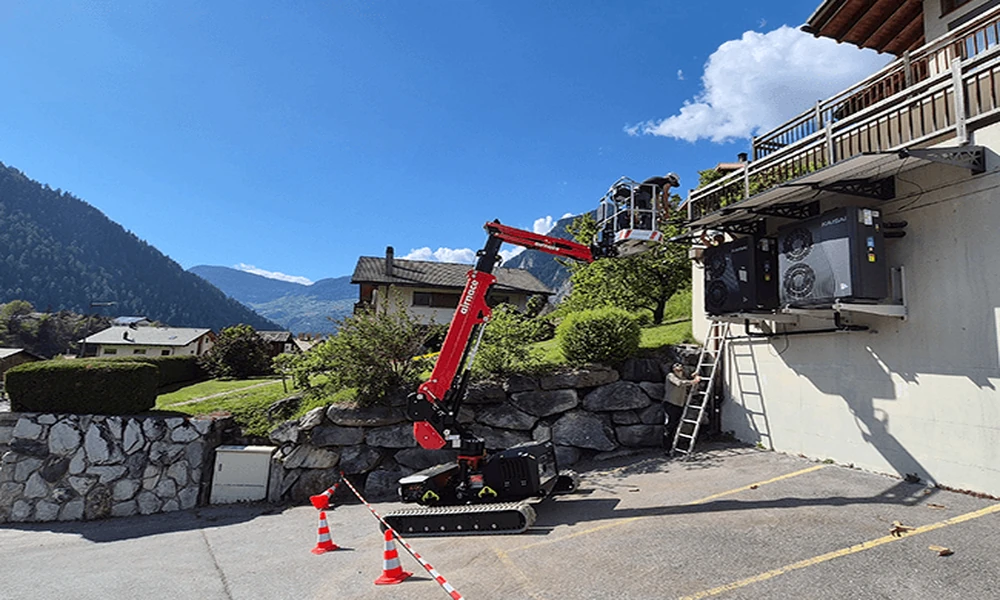
Cornelia’s foothill setting brings muggy summers, chilly winter mornings and plenty of moisture between seasons. For homeowners comparing repairs or planning a replacement, an experienced hvac company in Cornelia can help connect equipment choices with the realities of local homes, from crawlspace ductwork to changing refrigerant requirements. That guidance is especially useful when a seemingly straightforward purchase also involves electrical upgrades, humidity problems or rebate paperwork.
The best decisions start with the house itself. A system can earn impressive efficiency ratings and still disappoint if it is oversized, poorly installed or connected to leaking ducts.
What the Foothills Ask of Your System
In northeast Georgia, cooling is as much about removing moisture as lowering temperature. During humid weather, an oversized air conditioner may cool rooms quickly and shut off before enough moisture drains away. The thermostat looks right, but the house feels sticky.
Winter creates different demands. Heat pumps must maintain useful heating output as outdoor temperatures fall, while their defrost cycles clear frost from the outdoor coil. Supplemental heat may be appropriate, but its size and controls should match the home’s actual needs.
| Local condition | Practical consequence |
|---|---|
| Humid summer weather | Equipment needs adequate moisture removal, not simply more cooling capacity |
| Cold winter mornings | Heating output and backup settings matter |
| Damp crawlspaces | Duct insulation, sealing and moisture control deserve attention |
| Heavy spring pollen | Filters may need more frequent checks |
| Mild afternoons after cold mornings | Equipment with adjustable output can reduce unnecessary cycling |
Before replacing equipment, request a Manual J load calculation. This considers insulation, windows, air leakage, orientation and other building characteristics. Matching the old unit’s tonnage is not a substitute.
Refrigerants Are Changing, but Existing Systems Are Not Banned
Federal rules under the American Innovation and Manufacturing Act are moving new equipment toward refrigerants with lower global warming potential.
Manufacturing and import restrictions for many residential air conditioning and heat pump products began in January 2025. Installation deadlines and exceptions depend on the equipment category and applicable transition provisions, so inventory alone does not establish whether a proposed installation is compliant.
Many manufacturers now use R32 or R454B instead of R410A. Both carry an A2L safety classification, indicating lower flammability under the classification standard. Equipment must meet applicable safety requirements, with refrigerant detection and mitigation features where required.
For homeowners, four points matter:
- Existing R410A systems can still operate and be serviced. The transition does not require automatic replacement.
- Refrigerants are not interchangeable. R32 and R454B are not approved substitutes to pour into an R410A system.
- Replacement components need proper matching. Indoor coils, outdoor units, controls and approved refrigerants must work together.
- Repeated leaks deserve diagnosis. Adding refrigerant without fixing the leak creates recurring expense and unnecessary emissions.
Ask whether technicians have training for the refrigerant used in the proposed equipment. Installation instructions and local code requirements matter more than broad assurances that everything works the same way.
Repair or Replace Without the Pressure
Age is a useful clue, not a verdict. A system approaching 12 to 15 years deserves closer financial scrutiny, but a serviceable older unit may still justify a modest repair.
Replacement becomes more persuasive when several problems overlap:
- A major compressor or coil failure.
- Recurring refrigerant leaks.
- Frequent repairs or unreliable operation.
- Persistent comfort problems after airflow issues are addressed.
- High operating costs that cannot be explained by weather, utility rates or household changes.
A younger system with an isolated electrical fault often remains a sensible repair candidate.
Compare written estimates showing the diagnosis, repair warranty, replacement scope and any duct or electrical work. For new equipment, request the matched system’s efficiency information rather than relying on a rating advertised for an entire product line.
Where Financial Help May Still Be Available
Incentive information needs a date check. Older articles often describe programs that have since changed.
The federal Section 25C Energy Efficient Home Improvement Credit is unavailable for property placed in service after December 31, 2025. Qualifying heat pumps installed by that deadline could receive a credit equal to 30 percent of eligible costs, subject to a $2,000 annual limit and other requirements. Eligible taxpayers claim it using IRS Form 5695.
Georgia’s rebate programs have separate rules:
Home Efficiency Rebates: Assistance depends on qualifying energy savings and household circumstances. Projects generally need at least 20 percent modeled savings under the modeled savings pathway. Combining heating and cooling improvements with insulation or air sealing can help.
Home Electrification and Appliance Rebates: Federal program guidelines provide up to $8,000 for qualifying heat pumps, subject to income limits, eligible costs and state implementation. That ceiling is not a guaranteed payment.
Application openings, eligible replacement scenarios, approved contractors and reservation requirements must be confirmed before work begins. Do not assume a completed installation can receive a rebate retroactively.
Utility incentives also depend on the electricity provider serving the property. Check current equipment requirements, submission deadlines and whether incentives can be combined.
The Quiet Problem Under the Floor
Crawlspace ducts can undermine even excellent equipment. Leaking return ducts may pull damp, dusty air into the system; leaking supply ducts discharge conditioned air outside the living space.
Poor insulation can also allow condensation on cold duct surfaces. However, duct repairs alone will not solve standing water, drainage problems or excessive ground moisture.
A useful inspection checks:
- Disconnected runs and leaking joints.
- Damaged or missing insulation.
- Airflow restrictions and inadequate returns.
- Moisture sources around and beneath the house.
Filters need similar care. Higher filtration can capture more particles, but an overly restrictive filter can reduce airflow. Choose a rating and filter size the system can accommodate.
A Maintenance Routine That Fits the Climate
Spring: Service cooling equipment, inspect the condensate drain and check filters frequently during pollen season.
Summer: Watch indoor humidity. The EPA generally recommends keeping it below 60 percent, ideally between 30 and 50 percent where practical. Persistent clamminess warrants investigation.
Fall: Check heating operation and have fuel burning equipment inspected for safe combustion. Maintain carbon monoxide alarms according to their instructions.
Year round: Keep outdoor equipment clear of vegetation, leave vents unobstructed and investigate new noises or unexplained bill increases.
Modern equipment offers better controls and more operating flexibility. In Cornelia, though, lasting comfort still depends on fundamentals: correct sizing, sound ducts, moisture management and installation done carefully.