
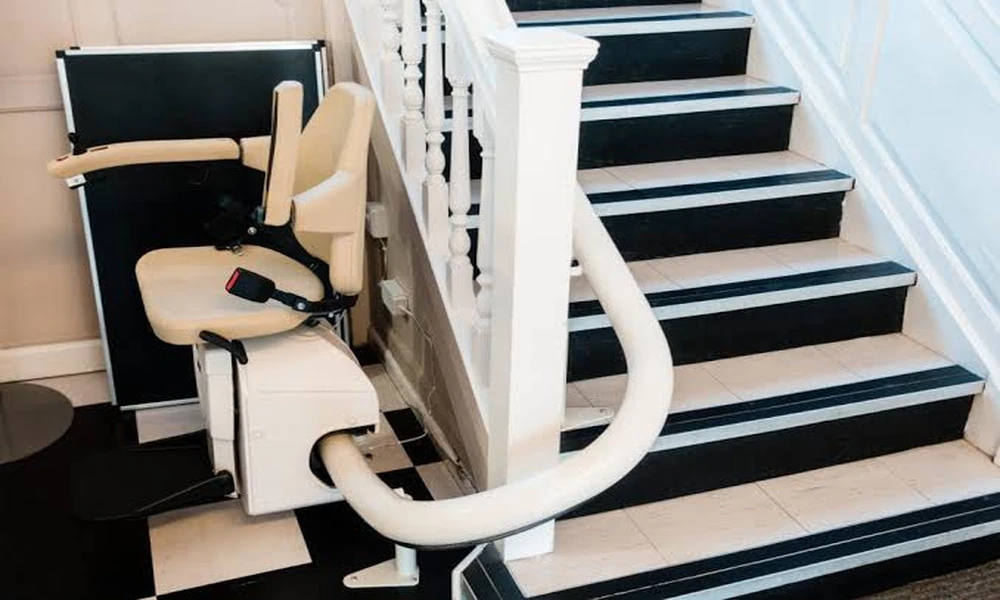
Most families start looking at stair lifts after a fall or a hospital stay, when time is short and decisions feel urgent. That pressure can lead to buying the first quote offered, without checking whether the lift suits the staircase, the user’s needs or the way the household lives. A residential stair lift is a long-term part of the home, used several times a day for years. A little planning before installation makes a noticeable difference to how safe, comfortable and convenient it turns out to be.
Start With the User’s Needs
The most important question is who will use the lift and how. Consider their ability to sit, stand, transfer and balance, and whether their condition is likely to change. Someone recovering from surgery may need a lift for a few months, while someone with a progressive condition will need features that support declining mobility. An occupational therapist can carry out an assessment and recommend equipment that fits both current and future needs.
Check the Staircase
The staircase decides what type of lift is possible. Straight staircases can take a standard straight rail, while any turn, landing or curve needs a custom-made curved rail. A surveyor will check:
- Whether the staircase is straight or curved
- The width of the stairs and landings
- Headroom along the route of the lift
- Space at the top and bottom for getting on and off
- Any obstructions such as radiators, doors or windows
These details determine the model, rail design and installation approach.
Seat Comfort and Fit
The seat should suit the user’s height and build. A seat that is too low makes standing up difficult, while one that is too high can make sitting down unsafe. Armrests and footrests should be positioned comfortably, and the seat belt should be easy to fasten. Ask whether the seat height can be adjusted during installation, and whether it can be changed later if the user’s needs shift. Where possible, ask to try a demonstration model before committing, so the user can judge comfort for themselves.
Safety Features
Every residential stair lift should include basic safety features as standard. Look for a seat belt, a swivel seat that locks at the top of the stairs, safety sensors that stop the lift if it meets an obstacle and a key switch to prevent unauthorised use, which is useful in homes with young children. Battery operation allows the lift to keep working during a power cut. Ask how the lift can be brought safely to a landing if it stops mid-journey.
Controls and Ease of Use
Controls should be simple and suit the user’s dexterity. Most lifts have a joystick or toggle on the armrest, along with call stations or remote controls at each end of the stairs. Users with limited strength may benefit from powered swivel seats and powered footrests, which remove the need to turn or fold parts manually. Check that the controls are easy to reach from the seat and that the user is confident operating them before the installer leaves.
Impact on the Rest of the Household
A stair lift shares the staircase with everyone else. Think about how others will use the stairs when the lift is parked and how the folded unit will affect access. Points to discuss include:
- Where the lift will park when not in use
- Whether a hinged rail is needed to clear a doorway
- How the folded seat affects stair width
- Where charging points and power supply will be located
These practical details often matter as much as the lift itself.
Electrical and Installation Requirements
Most stair lifts need a standard power socket near the top or bottom of the staircase to charge the batteries. Rails are usually fixed to the stair treads, not the wall, so the stairs must be sound enough to support them. Installation of a straight lift is often completed in a few hours, while curved lifts take longer to manufacture and fit. Confirm how long the installation will take and whether any preparation is needed beforehand, such as clearing the staircase or moving a socket.
Costs, Warranty and Servicing
Beyond the purchase price, consider ongoing costs. Ask about the length and coverage of the warranty, the cost of servicing and how quickly technicians respond to breakdowns. Batteries typically need replacing every few years. A clear service agreement gives peace of mind and keeps the lift reliable. If the lift may only be needed for a short period, ask whether rental or buyback options are available.
Choosing a Supplier
Look for a supplier with local experience, trained installers and a reliable after-sales service. Ask for references and visit a showroom if possible. A good supplier will survey the staircase in person, explain the options clearly and avoid pushing features the user does not need. Speaking with a specialist in home stair lift installation can help you understand which models suit your staircase and budget.
A Last Practical Step
Before the installer leaves, have the user ride the lift several times, practise the controls and check the seat position. Small adjustments made on day one are far easier than calling someone back later.